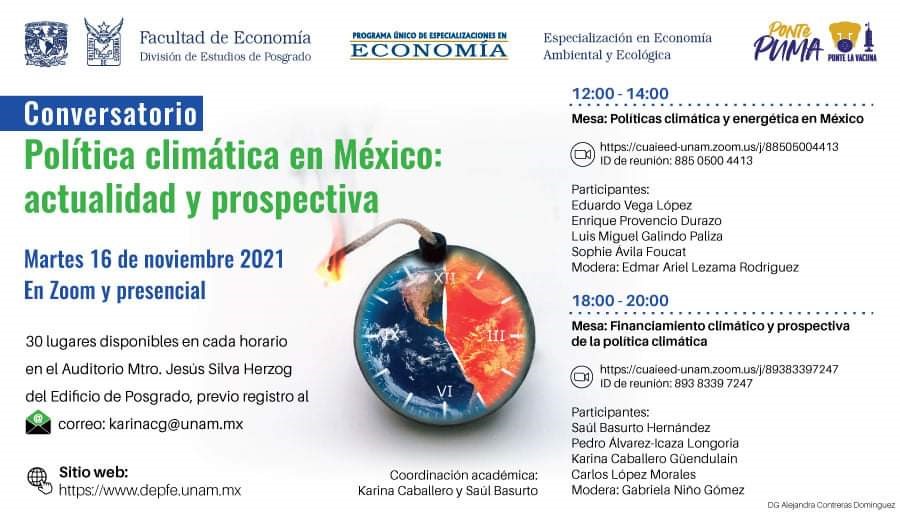
During COP26 in Glasgow, a key issue was financing for a climate transition towards the goal of slowing global warming to 1.5°C. The need to take actions and measures to meet this objective has become an emergency. Thus, recognising this importance, the postgraduate studies division of the economics faculty of UNAM opened a dialogue in the discussion “Climate Policy in Mexico: Current and Prospective”, where Gabriela Niño, Mitigation and Financing advisor at Deutsche Gesellschaft für Internationale Zusammenarbeit (GIZ) GmbH moderated the table on “Climate Financing and Prospective Climate Policy”.
In this dialogue space, it was emphasised that while Mexico has climate policies, there is still a long way to go to reach the goal. As Carlos López, professor at the Faculty of Economics at UNAM stated: “Doing nothing is the worst case scenario.” He added: “The current financial system has participated in the environmental problem, so it is necessary to start a long-term financial analysis.” Basurto complemented this statement by assuring that: “In monetary terms, the cost of inaction is much higher than starting to take measures to mitigate climate change.”
The Private Sector in the Fight Against Climate Change
Climate change is not a new problem, nor a government-only decision. For Karina Caballero, “Climate change mitigation and adaptation actions are shared responsibilities between public and private sectors.” However, for Dr. Pedro Álvarez, “The best way to safeguard natural resources is by giving them a value.” For this reason, he mentioned that socio-environmental undertakings are excellent initiatives to comply with climate change adaptation and mitigation measures. He argued that climate finance should pay more attention to this type of activity.
Although the four panellists agreed that the perspective of climate policy in Mexico has been framed within a pessimistic scenario, they also agree that international collaboration is necessary to achieve objectives; also, that it is essential to start doing different research–one that involves local needs. In the same way, they commented that it is essential to provide support in multidisciplinary exercises to create taxonomies, metrics and verifications to avoid greenwashing within the financial sector.
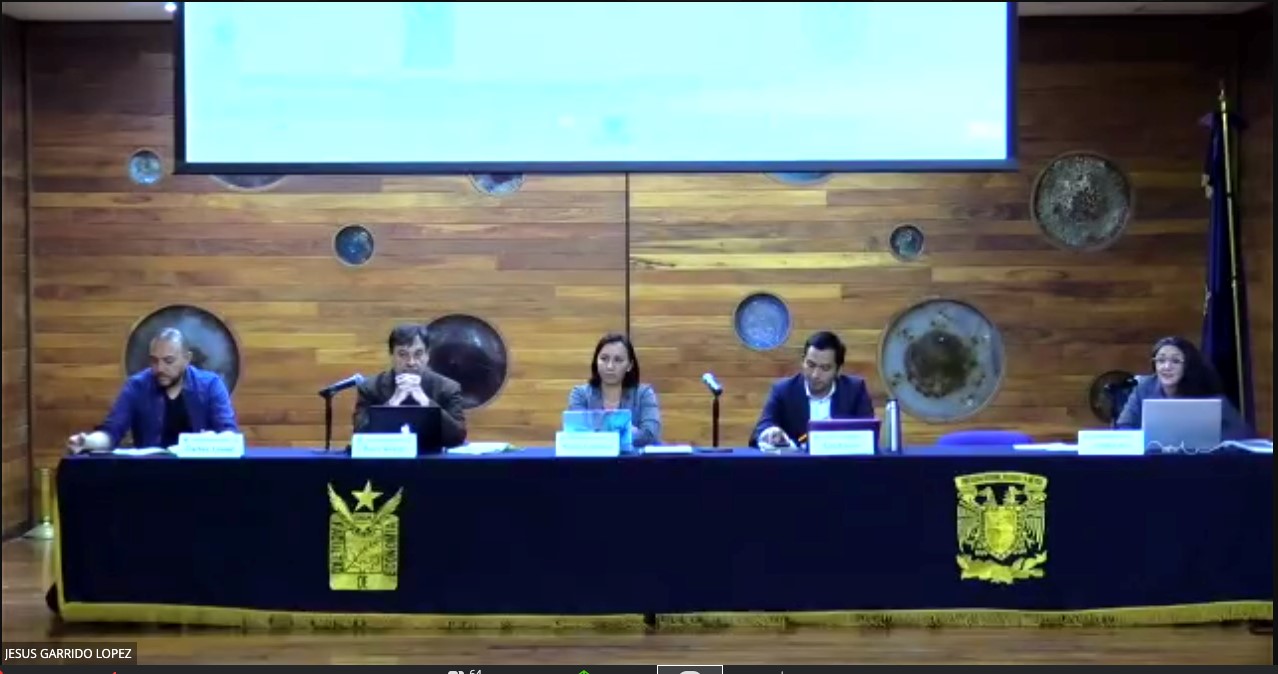
Panelists of the Conversation “Climate Policy in Mexico: current and prospective”.
In its second edition, the Climate Change Action Groups (GACC), brought together public, private and civil sectors to exchange experiences and discuss solutions to the challenges posed by climate change and the future after the COVID-19 pandemic.
To combat the effects of climate change, municipal and state governments, civil organisations and academic staff follow three axes: green recovery after the COVID-19 pandemic, the importance of local actions, and the use of technological tools for environmental protection.
Green Recovery in Cities
The COVID-19 health emergency has caused job losses and changes in the way cities work. We must detect risks and foresee the actions to be carried out, considering them as opportunities: for example, by generating jobs with a more sustainable approach, protecting the environment and taking advantage of existing legal frameworks, good political will and socialisation of ideas.
The programme to promote entrepreneurs and small business owners is one tool to achieve green recovery in cities, with two cases of local entrepreneurship, one in Hermosillo (Sonora) and the other in San Nicolás de los Garza (Nuevo León). Other examples are the national vision of building a sustainable mobility model in order to achieve shared streets as well as the storage of organic waste through energy recovery in Naucalpan de Juárez (State of Mexico).
Local Climate Action and Links with Civil Society and Academia
Local governments play an essential role in the public policy development and project implementation. In view of the above, it is necessary to create links with civil society organisations and academia to generate the technical capacities in the territory and ensure that the projects extend through the next administrations.
Currently, Mexican municipalities and states are acting to reduce greenhouse gases and increase resilience with projects such as the sustainable sanitation of wastewater in Guanajuato, detecting opportunities and co-benefits. Other examples of local actions are the Carbon Budgets and Decarbonisation Routes in Yucatán and Jalisco, as well as the Energy Transition Actions Against Change in Quintana Roo and Puebla.
Digital City and Environmental Protection
Today, digital technologies are gaining relevance in environmental issues, such as the development of mobile applications and virtual courses that help to sensitise the community, reach a wider audience and promote environmental protection.
The cases of the mobile application for urban trees, Árbol MID, in Yucatán, the mobile application for mapping public transport routes MOVIDATA, and the RAECO application promoting sustainable consumption of electronic devices are examples of the use of digital resources for user awareness and capacity-building. Also, there are virtual courses on the national application of climate finance based on the SEMARNAT exercise.
German Experiences
The three thematic axes mentioned were part of the second edition of the Climate Change Action Groups (GACC), held virtually from September 1-3, 2021, in which German experiences of combating climate change from cities were also shared.
Gesa Homann, head of the Berlin Senate’s Environment and Climate Action policy, presented the Berlin 2030 Climate and Energy Protection Program (BEK 2030), which aims to make the city carbon neutral by 2050, meaning that the amount of CO2 emissions into the atmosphere is balanced with the number of emissions that are mitigated in different ways–also known as a zero-carbon footprint. This implies limiting global warming to 1.5°C.
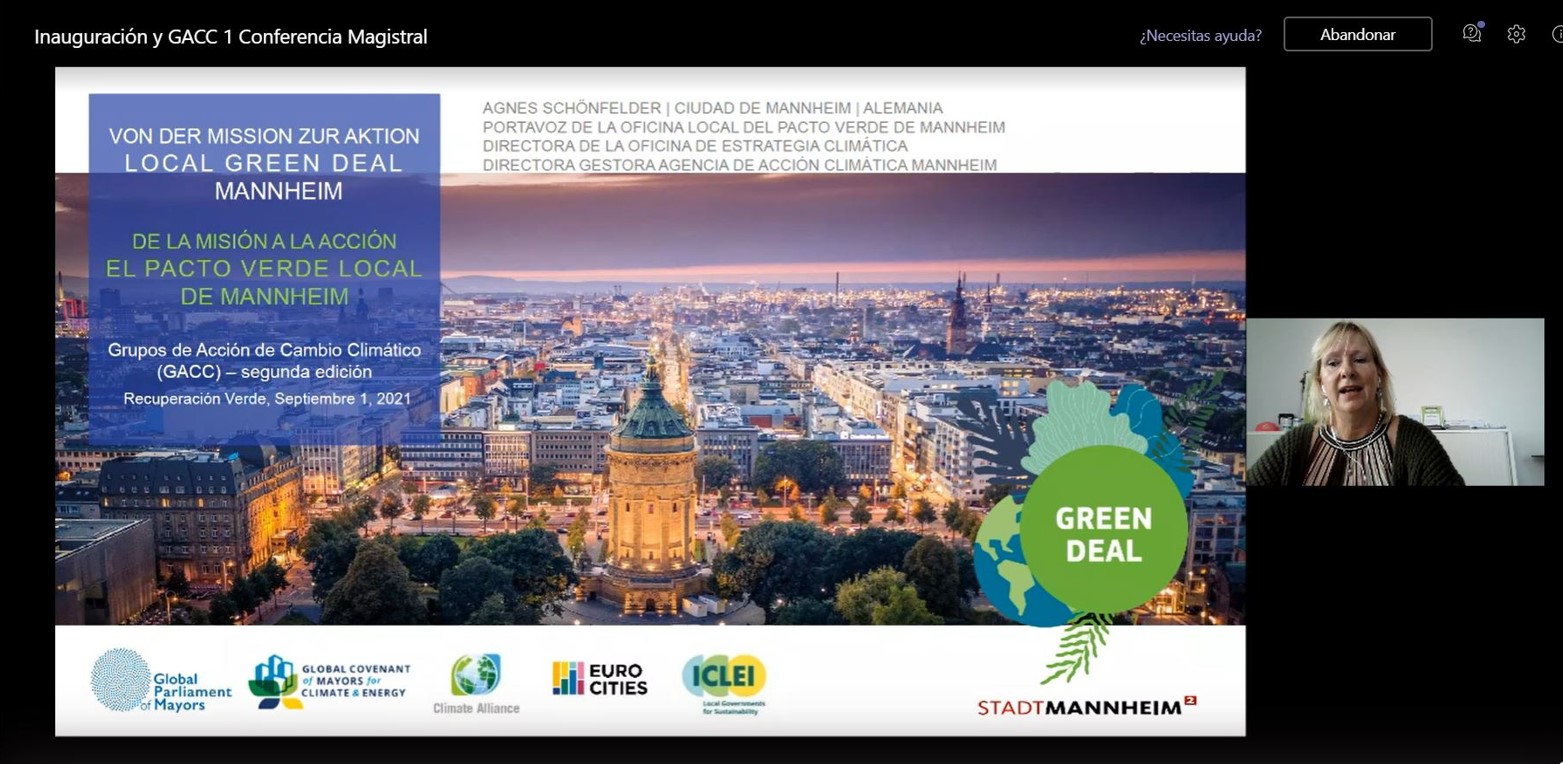
Meanwhile, Agnes Schönfelder, spokesperson for the Local Office of the Green Deal in the city of Mannheim and head of the Climate Strategy Office, explained that the city is one of Germany’s pilot cities, working closely with citizens to bring the city to Zero Emissions by 2030: this means that no new emissions will be added to the atmosphere by human activities.
Screenshot of the keynote address of the Mannheim Local Pact, by Agnes Schönfelder.
Exchange of Experiences and Good Practices
The collaborative sessions were the basis of the GACC, in which municipalities and states shared their experiences and good practices to combat climate change in the rest of the country. In addition, it placed emphasis on the importance of alliances between institutions to support the projects and actions that municipalities and state governments develop and implement in their territories, as well as fostering spaces for exchange that can become a learning resource.
The projects presented at the event have been implemented through Deutsche Gesellschaft für Internationale Zusammenarbeit (GIZ) GmbH in Mexico, the Climate Community of Mexico (Comunidad Climática de Mexico, CCM), the Mexican Association of Municipal Planning Institutes (AMIMP) and ICLEI- Local Governments for sustainability in the fight against climate change.
To consult the sessions in more detail, the report of this edition of the GACC is now available, with the collection of the main lessons learned from each good practice, so that they can be consulted by the new administrations of municipal and state governments, as well as academia and civil society organisations in Mexico.
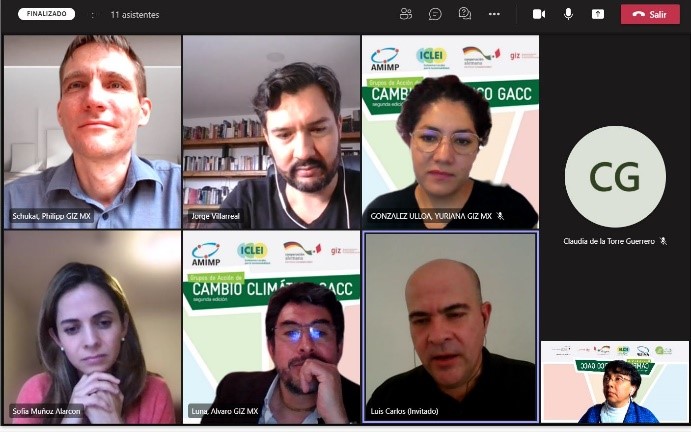
Screenshot of the closing of the event. From left to right: Philipp Schukat (GIZ), Jorge Villareal (CCM), Yuriana Gonzalez (GIZ), Sofía Álvarez (consultant), Alvaro Luna (GIZ), Luis Carlos Lara (AMIMP), Claudia Hernandez (GIZ).
The success stories presented in this document address climate change from the perspective of urban planning and sustainable mobility, as well as the integration and valuation of ecosystem services in urban planning. Below are some examples of the success stories promoted by GIZ through the CiClim project.
In order to provide higher quality water and air as well as a decent quality of life for future generations, the economic and social value of ecosystem services has been integrated into city planning. This has allowed cities such as León and Morelia to promote and regulate the protection of natural areas and their biodiversity in the peripheries within their urban planning instruments.
In terms of prioritising actions for non-motorised mobility, in Hermosillo, the Vision Zero strategy was implemented working closely with cycling groups and the municipality. The project aims to increase road safety and promote pedestrian and cyclist mobility, thus contributing to the reduction of GHG emissions.
Elements of green infrastructure were incorporated into one of the branches of the CAFFENIO cafeteria in Hermosillo, including: a green wall, a rain garden, and an interior tree. Among the main benefits are savings of 57% in water and 40% in energy. This test project was successful thanks to the coordination between the private and public sectors and is expected to be replicated in other branches.
With this document, cities are invited to share success stories and lessons learned in order to stimulate existing potential and design resilient, inclusive and healthy cities.
The links and alliances between sectors that make up the innovation ecosystem allow connections to be made, fostering dialog about common goals such as the strengthening of local competencies through technological innovation in sustainable energy and new cooperation models. This is the way HUBIQ—Hub de Innovación Tecnológica (Technological Innovation Hub) addressing sustainable energy in the state of Querétaro—has enabled the creation and promotion of these links between a range of actors such as businesses, the government, academia, MSMEs, start-ups, and entrepreneurs, driving the energy transition in the state and thus contributing to Mexico’s climate goals. HUBIQ was fostered by the Deutsche Gesellschaft für Internationale Zusammenarbeit (GIZ) GmbH through the Enhancing the Coherence of Climate and Energy Policies in Mexico project (CONECC), and the Ministry of Sustainable Development of the State of Queretaro (SEDESU).
Recently, HUBIQ was legally established as a Civil Association (A.C.), a milestone for the project. This means that it can strengthen its role as an actor in the local and regional innovation ecosystem. Representatives of HUBIQ, the CONECC project, and Queretaro Energy Cluster, and LiCore A.C. company participated in the signing of the founding documents. They are founding partners and key allies in the formation of the Hub. Other prominent members of the Hub’s Advisory Board include Rosalba Cobos from Mabe’s Technology Center in Querétaro and Dr. Yunny Meas Vong, member of the Electrochemistry Technology Research and Development Center (CIDETEQ).
This is a breakthrough for the project as it positions itself as a platform connecting local innovation actors. It also fosters collaboration for climate action and bolsters sustainable energy technologies and business models in the state.
As a result of this, HUBIQ is in the strategic planning process to define its next steps and activities within the innovation ecosystem. These include fostering alliances with other innovation ecosystems, continuing the Technological Acceleration Program for MSMEs and start-ups, and the publication of a manual for implementing technological innovation hubs addressing renewable energy and energy efficiency. The aim is to communicate the steps and activities to consider, as well as the lessons learned, and to support the replicability of this innovation experience in the country.
The HUBIQ will soon participate in discussions about the CONECC project on technological innovation and innovation ecosystems for climate action and the sustainable and inclusive energy transition nationally, sub-nationally, and regionally. It is aligned with a sustainable socio-economic post-pandemic recovery.
Images of floods, beaches full of seaweed, dry landscapes, and tourist infrastructure destroyed by the last hurricane demonstrate the vulnerability of the tourism business time and again. Although the urgent must be addressed, at the same time it is a priority to prepare the business for a future with a more extreme and uncertain climate.
The Guide is the first of its kind in Mexico and offers innovative recommendations for companies to integrate climate change and adaptation approaches during the planning processes of real estate tourism investment projects.
Infrastructure damage in Los Cabos from hurricane Odile in 2014. IMPLAN Los Cabos
Among the recommendations, green solutions are emphasized, providing long-term social, environmental and economic benefits –not only to businesses, but also to the tourist destination and its inhabitants.
As mentioned by Dr. Rafael del Villar, advisor to the Bank of Mexico (Banxico) at the event: “This guide will help make the tourism sector in the country more competitive; it will do so by reducing the cost of investment through actions of risk mitigation and reduction, and also by facilitating that these investments are in line with the growing demand for environmentally friendly tourism.”
Guide cover. GIZ-ADAPTUR.
The presentation took place within the framework of the ADAPTUR project on November 13, 2020, with the participation of around one hundred people with a high level of influence, including executives from 40 leading investment companies, developers and consulting firms in the sector, as well as the National Tourism Promotion Fund (FONATUR), the Resident Directorate of GIZ in Mexico, the General Directorate of Climate Change Policies (DGPCC) at SEMARNAT, the National Commission of Natural Protected Areas (CONANP), the National Institute of Ecology and Climate Change (INECC), the Bank of Mexico and representatives of the state and municipal governments of Guanajuato, Nayarit, Jalisco and Quintana Roo –among others.
For the first time, these reports offer economic figures of what it would mean to lose natural capital (beaches, reefs, jungles, forests, etc.) and the services they provide (water, protection, scenic beauty, etc.) for tourism businesses in San Miguel de Allende, the Riviera Nayarit-Jalisco and the Riviera Maya.
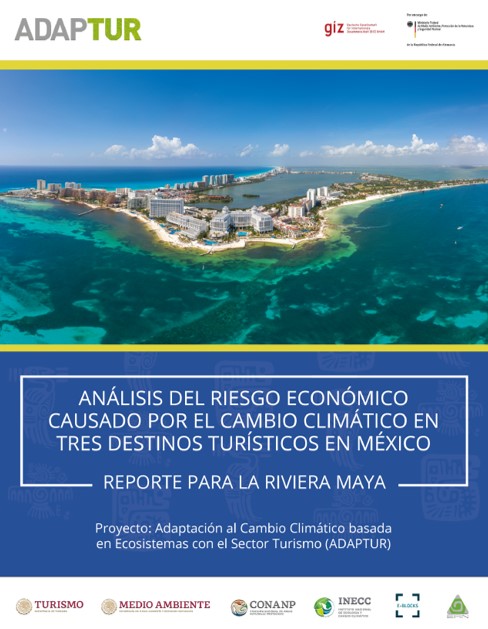
Cover of the report for Riviera Maya. GIZ-ADAPTUR
Likewise, it estimates the annual losses associated with the direct impact of climate change on buildings (hotels) and supporting infrastructure (roads, hospitals, airports, etc.).
To cite one example, if San Miguel de Allende does not carry out adaptation actions, it is estimated that by 2030 it could face an annual economic risk between $10.28 – $17.11 million dollars, considering that the scarcity of water as well as floods present the highest risks for the operation of businesses.
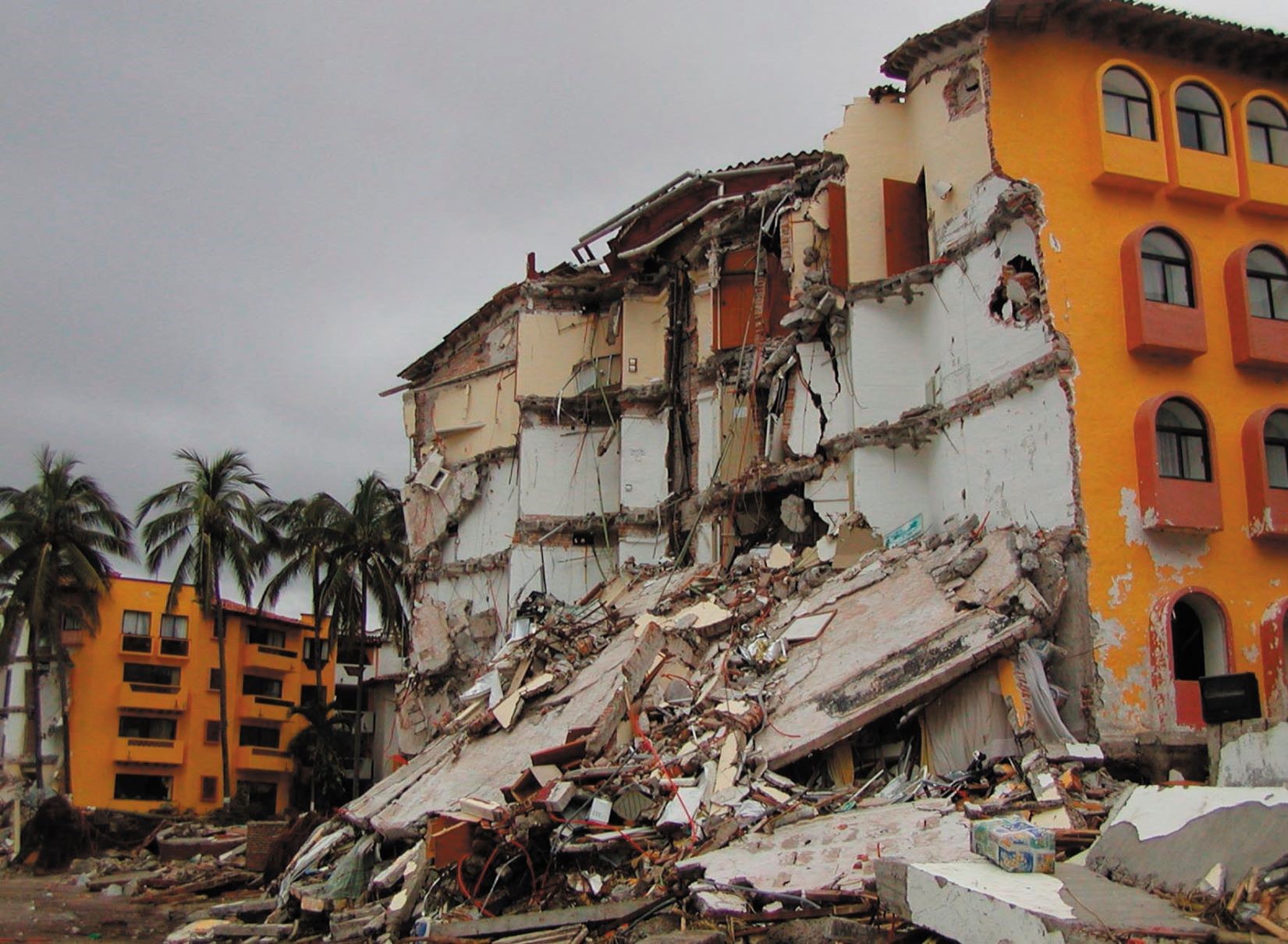
Damages from Hurricane Kena in Puerto Vallarta in 2002. Vallarta Opina.
Among the recommendations for destinations, the design and implementation of a policy has been proposed, for the comprehensive management of water; the restoration of reefs, sea grasses, beaches and forests; and the creation of cooperative alliances between the public and private sectors to promote adaptation to climate change.
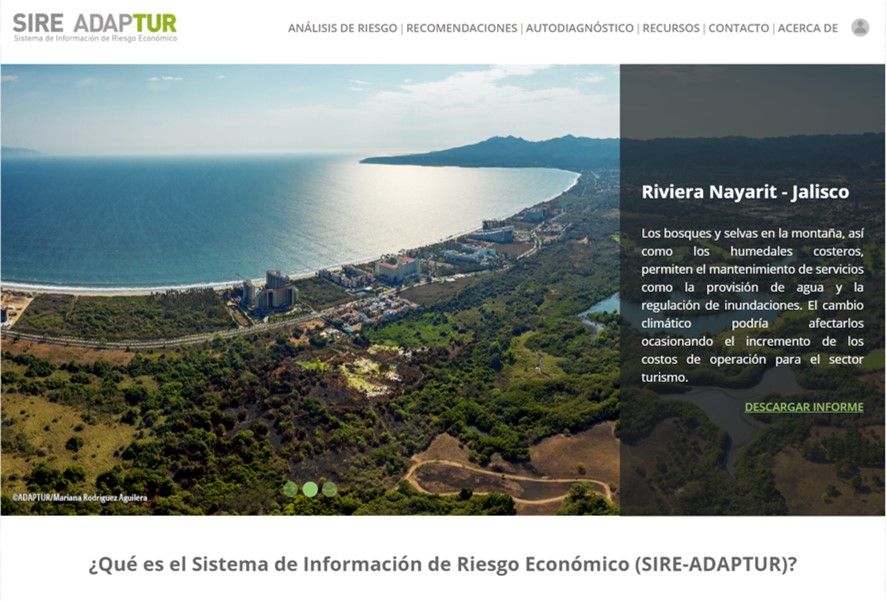
Additionally, the digital platform Economic Risk Information System (SIRE-ADAPTUR) was designed, which presents the results of the reports. The interactive tool to evaluate the cost of water production, and an extensive collection of geographic and climatic maps (location of properties, risk map, climate change scenarios, and distribution of natural assets –among others), aim at supporting decision-making for resilient tourism development.
The reports were published in October 2020 and were elaborated by the consulting companies E-blocks S.A. de C.V. and ERN Evaluación de Riesgos Naturales, in collaboration with 60 hotel companies, local environmental and tourism authorities, academic experts, civil society and members of the ADAPTUR project.
They are available for download at the following link: SIRE (eblocks.mx)
SIRE-ADAPTUR platform: GIZ-ADAPTUR.
In the current health crisis we are experiencing, the environmental issue has become important and deserves to be placed at the center of the public health discussion. In fact, various Natural Science research institutes have pointed out that this crisis had its origin in the interruption of the delicate environmental balance. Factors such as habitat destruction, capture, trafficking and consumption of wildlife have represented favorable conditions for the SAR-CoV-2 virus to become contagious to humans. This is why today, more than ever, the protection of natural resources and the environment is crucial.
For this reason, it is important to ask ourselves: What will happen after the pandemic? What will be our role in this return to a “new normal”? What are our alternatives? How can we identify these measures or solutions? Which actors should be added? Which communication strategies should be promoted at a territorial level?
We must acknowledge that the main cause of the spread of this disease is the poor relationship that humans have established with the environment. Therefore, we have to generate a new, more harmonious relationship between society and nature. This is the only way to avoid similar situations: not only those associated with health problems, such as the emergence of new epidemics and their escalation towards pandemics, but other phenomena that have been documented with scientific evidence, such as the loss of biodiversity, climate change, water loss, and the reduction of plant cover and soil erosion, could lead us to critical situations for humanity.
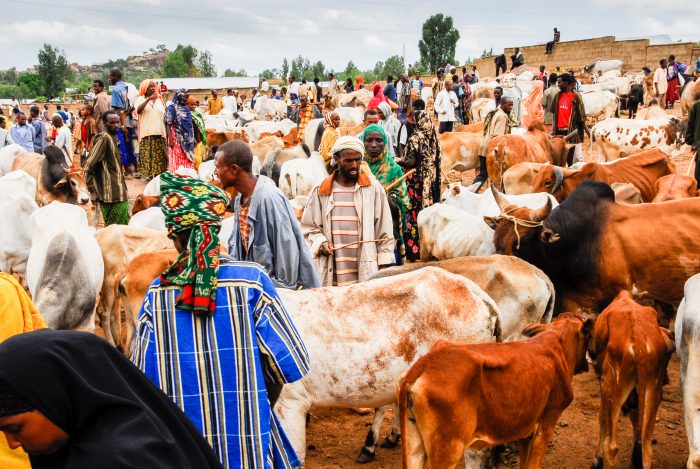
Credits: Shutterstock. The increase in domesticated animals for human consumption has a large impact on ecosystems.
One of the most relevant causes is the change in land use, explained by the increase in extractive and productive activities, deforestation, and the expansion of urban areas. Another relevant factor is the increase in the proportion of domesticated fauna (for example, cattle, pigs, and poultry) in recent centuries as food for human consumption, alongside a detriment in the proportion of wild fauna. Consequently, this combination of elements has expanded the universe of pathogens associated with domesticated fauna, specifically viruses, bacteria, fungi, parasites, prions or misfolded proteins. These pathogens play a role, and ecosystems, both terrestrial and marine, depend on their activity. For example, plants and animals release residues into the soil (carbon, nitrogen and sulfate, among others) that, when degraded, are used by bacteria as food. Thus, it is important that anthropogenic activities – and the different sectors involved in the environment – become aware of this and act responsibly, maintaining the natural balance.
For these reasons, the Nationally Determined Contributions (NDC) presented in 2015 by the Government of Mexico, and now in 2020, subjected to a review and update process, should identify concrete actions, opportunities, and needs, taking into account the value of natural resources, ecosystems, and their services to human and planetary health that provide the means for their implementation at different scales in the country.
The Emissions Trading System (ETS) is one of the carbon price mechanisms that has accelerated the mitigation of greenhouse gas (GHG) emissions over the past decade. It works using the “cap and trade” principle. A limit is imposed on emissions from one or more economic sectors, and regulated facilities are granted a limited number of emission rights that they can trade among themselves, to carry out their compliance obligations in a cost-effective manner.
There are factors that ensure the proper functioning of an ETS; among them, stability in carbon prices and a supply of emission rights that is consistent with market demand. The current economic recession caused by COVID-19 has altered these two variables and has presented significant challenges for the more than 20 ETS operating around the world. It is important to be aware of the global strategies to overcome these challenges and identify lessons learned that could strengthen the ETS Test Program in Mexico, in force since January 2020.
According to ICAP data, there was a significant drop in carbon prices in California and Quebec in March, as well as in the European Union (EU), where it fell from an average of 25 EUR to 15 EUR. In Switzerland, the auction of emission rights was even rescheduled due to the price drop. Commercialization of emission rights in the ETS of the EU is affected by oversupply, which can lead to a reduction in public revenue from auctions, and discourage investments in mitigation technologies.
Countries such as Canada, China, Korea, and Switzerland have responded to these impacts by postponing compliance and reporting dates, while the European Commission anticipates a reduction in the number of emission rights available within the Market Stability Reserve. On the other hand, Poland and the Czech Republic have suggested a review of the EU’s ETS conditions.
Strategies implemented by other countries help inform Mexico of the risks faced by ETS and their possible solutions. The project “Preparation of an Emissions Trading System in Mexico” (SiCEM), implemented by the Deutsche Gesell¬schaft für Internationale Zusammenarbeit (GIZ) GmbH will follow the evolution of the system’s global situation closely.
In order to generate an instrument that contributes to increasing Mexico’s resilience to climate change and compliance with the NDCs on adaptation, the process of preparing the National Adaptation Policy (NAP) must be participatory, representative, and use the regionalization perspective.
The July 2018 reforms to the General Law on Climate Change sought to harmonize the national legal framework with the commitments that Mexico took on in the 2015 Paris Agreement. One reform on the subject of adaptation considers the creation of a NAP, under the framework of the National Climate Change System, which strengthens and facilitates synergies between the various international, national and sub-national mandates on the matter.
The document reviews the institutional, legal and political frameworks that underpin adaptation climate action in Mexico, to generate the proposal for a roadmap that can indicate the specific components and activities necessary for the formulation of the NAP. Among the most important elements of the roadmap is the relevance of carrying out a broad participatory process – with governmental and non-governmental, national and local actors – which can facilitate the collection of experiences and initiatives to generate a successful public policy that reflects the concerns and real priorities of the population.
Given Mexico’s ecosystem and climatic diversity, a regionalization perspective is an indispensable feature in the process of preparing the NAP. In this way, it is intended to address the diversity of vulnerabilities and the differentiated impacts – present and future – that occur in the country. This proposal would facilitate the adoption of different types of adaptation approaches that respond to the priorities of each area and the sectors involved.
Tracing a common axis on adaptation using a holistic, decentralized and representative National Adaptation Policy will enable the adoption of concrete and effective measures that increase Mexico’s resilience through climate policy at a subnational level.