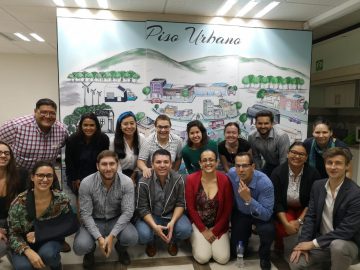

The global program Vertically Integrated Climate Policies (VICLIM) is about to completing its activities after developing for three years actions focused mainly on strengthening capacities and policies to promote the integration of states and municipalities in achieving national climate change mitigation objectives.
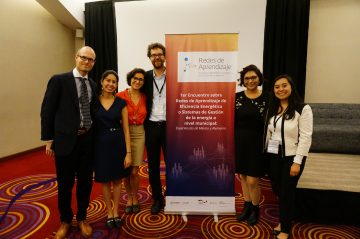
 

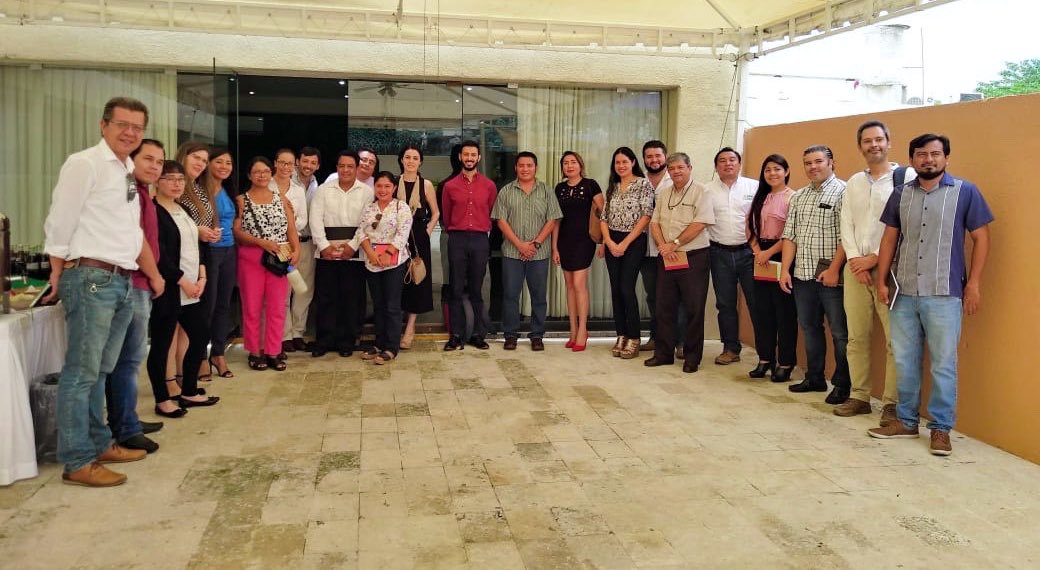
Credits: GIZ VICLIM Team


The global VICLIM project has been implemented since 2017 in four countries: Georgia, Costa Rica, South Africa, Indonesia and Mexico, where the activities started. In Mexico, the four strategic lines of work of the program were developed and the most emblematic results are exemplified below.

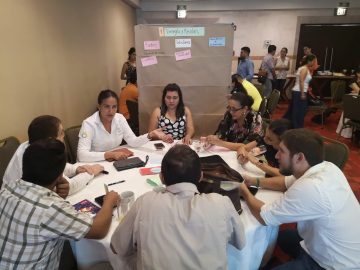
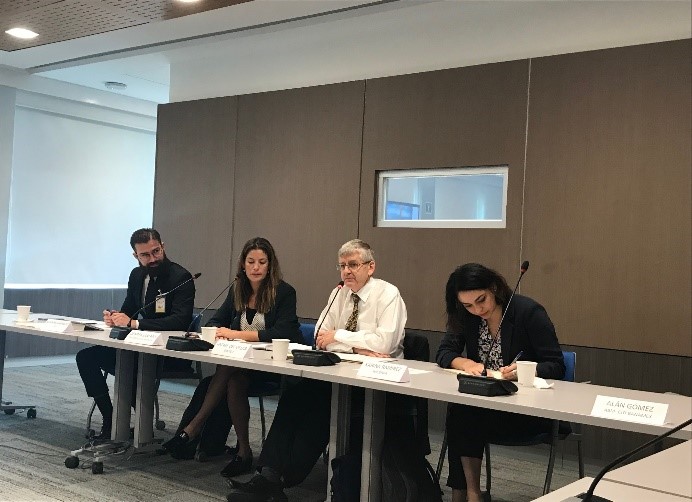
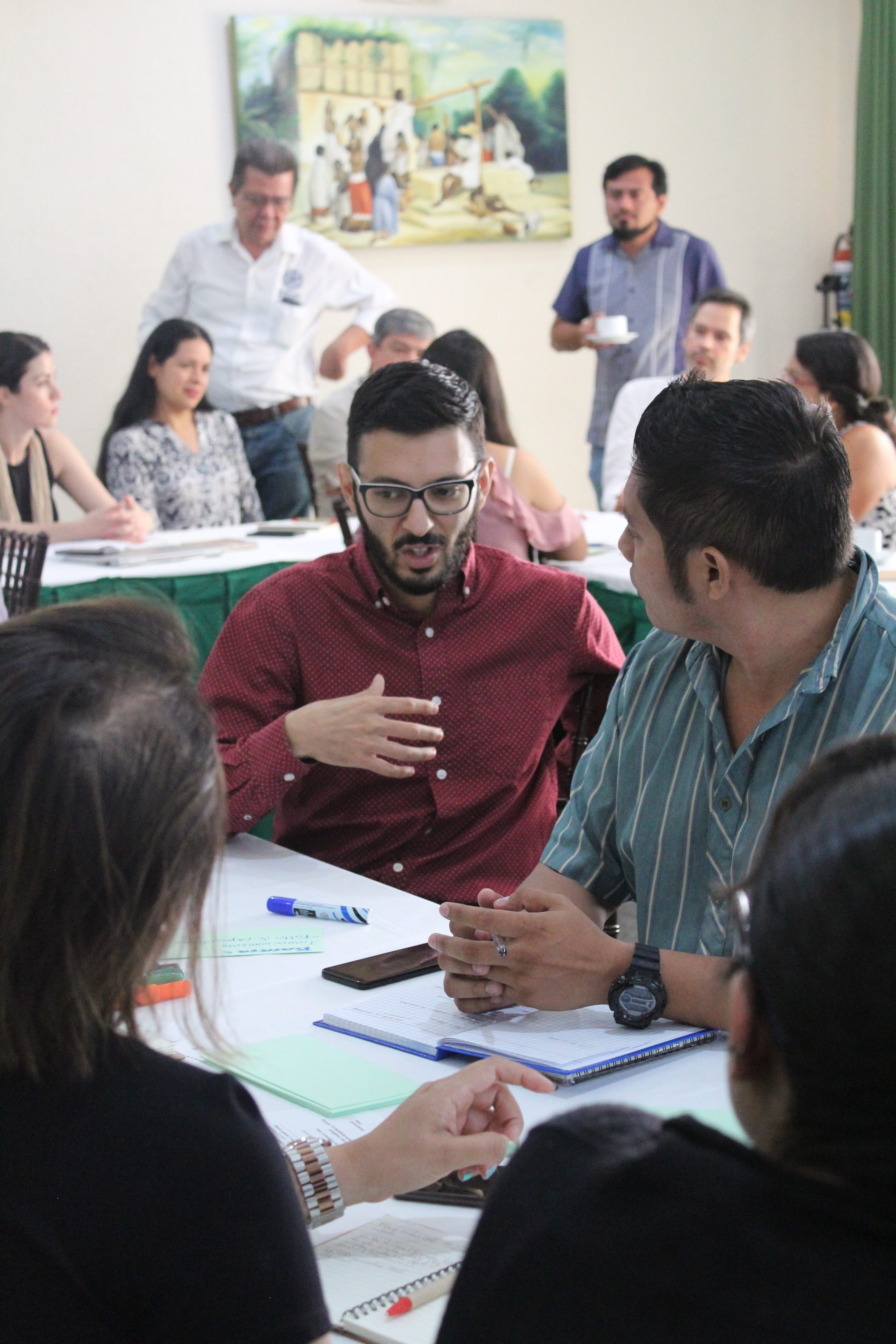
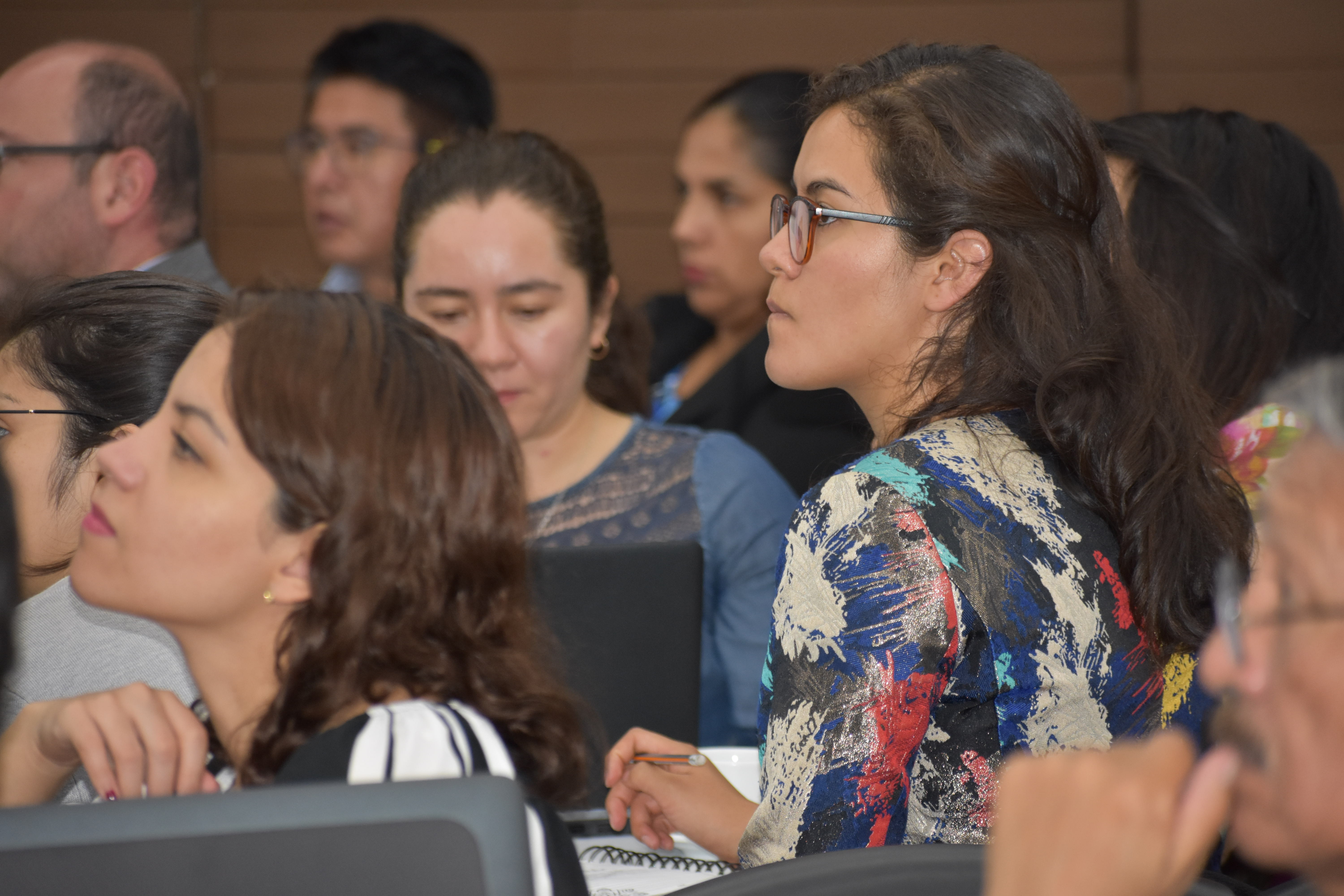
The first refers to Institutional strengthening for vertical climate integration. Within this line, in order to consolidate the state capacities in the field of climate change, a series of regional workshops were carried out with the support of the bilateral program Mexican-German Climate Change Alliance between 2017 and 2018. The focus of this effort was identifying contributions from the subnational level to the National Determined Contribution (NDC). Under this strategy, VICLIM is working in coordination with SEMARNAT in identifying success stories on climate finance at the local level that can serve as referents of detonating elements in the subject for other municipalities.
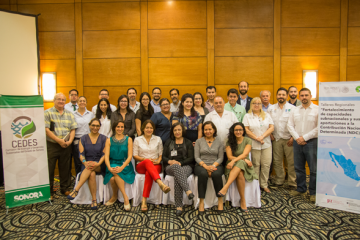
 

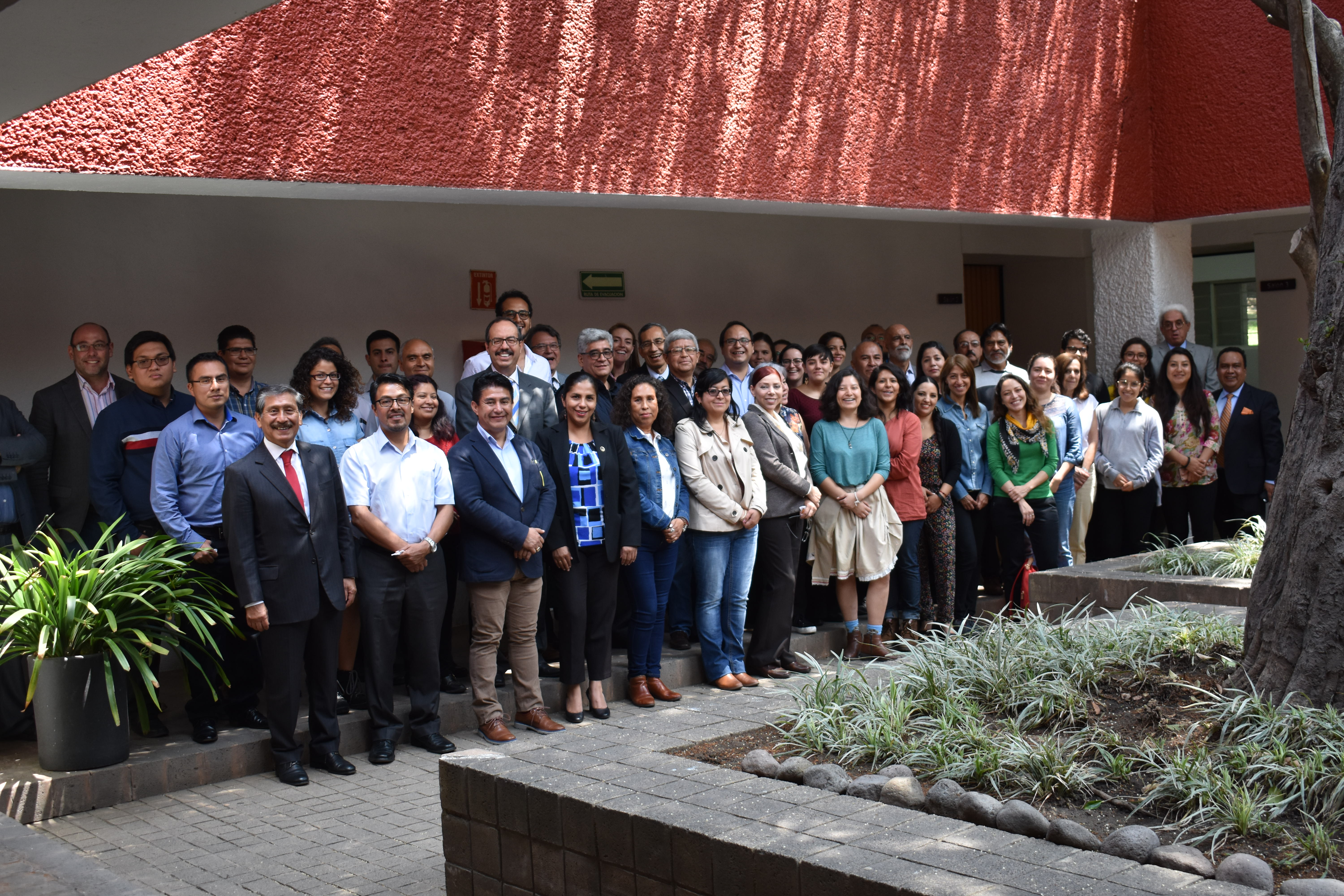
Credits: GIZ VICLIM and Mexican-German Climate Change Alliance, Regional Workshops


Within the second line of work about Instruments and Mechanisms for vertical climate integration, the Ministry of Environment and Territorial Development of the State of Jalisco (SEMADET) was supported by the program to develop a Municipal Climate Change Programs (MCCP) Elaboration and Updating Guide. This guide has been piloted in Puerto Vallarta for the development of its MCCP in collaboration with the Ecosystem-based adaptation to climate change in cooperation with the private sector (ADAPTUR) program. With this, climate change mainstreaming at local level has been promoted, as well as the vertically integrated alignment of the municipality’s policy.

The third line of VICLIM corresponds to the Knowledge transfer of the National Climate Initiative (NKI). Within this line, one of the activities was to integrate Germany’s experience in the development and implementation of Energy Efficiency Learning Networks or Energy Management Systems at the municipal level. The program provided a document of strategic orientations on the subject in conjunction with the Energy Transition Support Program in Mexico (TREM).

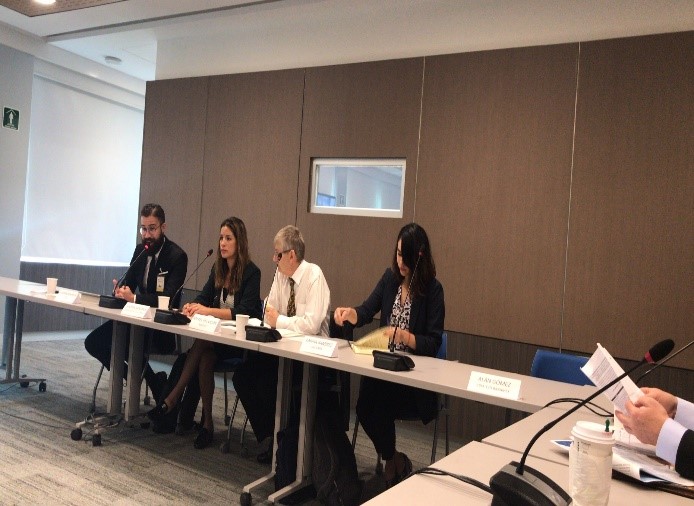
The fourth line of action contemplated the Knowledge exchange. Under this premise, one of the activities of VICLIM was the exchange of experiences on local climate change actions through the study trip of a Costa Rica delegation organized by VICLIM Mexico and said country. Within this event, sessions were held between peers from municipalities in Costa Rica, Naucalpan and the state of Jalisco, as well as with the secretariats of the environment in both countries.
 

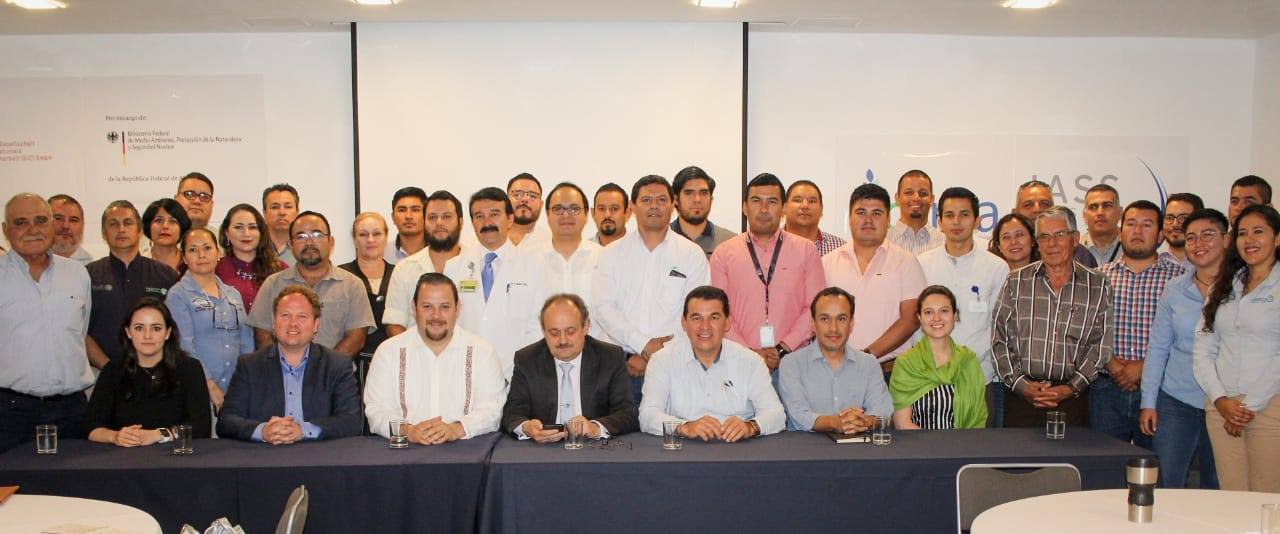
Credits: GIZ Team and Puerto Vallarta in the study trip of Costa Rica in Mexico


Within the lessons learned from VICLIM Mexico, cooperation is identified as a fundamental element for the scope of the results of the different activities.  Global projects, despite some having reduced budgets, can enhance their impacts when working together with other actors, programs and countries, who can contribute to the sustainability of each of the actions.

On behalf of the VICLIM team, we thank everyone for being part of this trajectory. Likewise, we invite you to visit our catalogue of products.


PRODUCTS AND LESSONS LEARNED 2017-2019

The Vertically Integrated Climate Policies (VICLIM) program is part of the International Climate Initiative (IKI) of the German Federal Ministry for the Environment, Nature Conservation and Nuclear Safety (BMU) and is implemented by the Deutsche Gesellschaft für Internationale Zusammenarbeit (GIZ) GmbH (German Cooperation for Sustainable Development). VICLIM is implemented in five countries: Georgia, Costa Rica, South Africa, Indonesia and Mexico.

The objective of the program is to strengthen the strategies and policies that promote the involvement and integration of sub-national actors (states and municipalities) in the achievement of national climate change mitigation objectives, in addition to ensuring that the lessons learned are used to feedback processes in the field at national and international level. VICLIM consists of four lines of work:

  • Institutional strengthening for vertical climate integration
  • Instruments and mechanisms for vertical climate integration
  • Knowledge transfer from the National Climate Initiative (NKI) of Germany
  • Knowledge exchange between partner countries

This program was implemented in Mexico between January 2017 and September 2019, with the main counterpart being the General Directorate of Climate Change Policies (DGPCC) of the Ministry of Environment and Natural Resources (SEMARNAT). Other key allies of VICLIM were the Ministry of Environment and Territorial Development of the State of Jalisco (SEMADET) and the Municipal Government of Puerto Vallarta, through the Subdirectorate of Environment.

Below are the project products developed in the country, as well as a brief description of their content and the link for download.


Institutional Strengthening for Vertical Climate Integration
With the aim of urging subnational governments to guide and increase their contributions to the Nationally Determined Contribution (NDC), VICLIM Mexico supported the strengthening of the technical capacities of actors who are responsible for climate policies at the national and subnational level, and generated recommendations on multi-level coordination and cooperation mechanisms.

The activities began with the organization of regional meetings with the states, where the exchange of good practices and lessons learned through spaces for face-to-face dialogue between the federal and subnational government was significant. The meetings led to the development of a baseline on sub-national progress in the development and implementation of climate policies, institutional arrangements, Monitoring, Reporting and Verification (MRV) and climate financing. This exercise can be replicated regarding the regular periodic update of the progress of the subnational climate policy.

With this information, and based on the identified barriers and opportunities, , recommendations were developed for states to guide their actions and policies towards the alignment, quantification and long-term reporting of their contributions to the NDC. In addition, proposals were provided for the definition of governance processes and mechanisms that allow monitoring and transparency of this process.

These efforts were accompanied by the generation and diffusion of communication material (infographics and videos) to sensitize subnational governments about their role in the development of adaptation and mitigation actions and, therefore, in the fulfillment of national commitments from the local level. In addition, a repository of practical information on climate change was generated for states and municipalities, in reference to their contributions to the NDC.

Summaries of the Regional Workshops “Strengthening Subnational capacities and their contributions to the national determined contribution

The objective was to strengthen the capabities of the states in order to align, quantify and report their contributions in the field of mitigation and adaptation to climate change to the NDC. The regional workshops were carried out in collaboration with the Mexican-German Climate Change Alliance project.


Recommendations of regional workshops “Strengthening Subnational and their contribution to the Nationally Determined Contribution 2017-2018”

Informe y análisis detallado por región y Estado sobre las capacidades subnacionales en cambio climático y sus aportaciones a la NDC. Este producto se realizó en colaboración con el proyecto Alianza Mexicana-Alemana de Cambio Climático.


Analysis of Mexico’s local government conditions regarding mitigation

The study offers a review of the policy framework, governance and funding sources conditions of the municipalities for mitigation. In addition, the document identifies areas of opportunity and recommendations in the field.


Report of the workshop “National Meeting of States and their Contributions to the Nationally Determined Contribution (NDC)”

The purpose of the meeting was to give continuity and share the results of the exchange of experiences among states promoted by SEMARNAT, standardize methodologies for reporting contributions and share experiences. The meeting was held in collaboration with the Mexican-German Climate Change Alliance project.


NDC Subnational Toolbox

Information repository of the states and municipalities of Mexico, in reference to their contributions to the NDC. The content of this toolbox was developed jointly with the Mexican-German Climate Change Alliance project.


Factsheets: Identification of mitigation measures and adaptation measures in the face of climate change A contribution of States and Municipalities to the Nationally Determined Contribution (NDC)

In order to strengthen Mexico’s NDC and increase its level of ambition, it is necessary to rely on contributions in terms of mitigation and adaptation from states and municipalities and to promote their participation.


Capsule:  Contribution of state and municipal governments to the compliance of the NDC.

This capsule seeks to guide subnational actors in the identification and development of measures within their powers, as well as to invite them to share their experiences on the subject.


Capsule: Linking adaptation and mitigation measures with the NDC and Sustainable Development Goals (SDGs) at the subnational level.

Based on the study of co-benefits of the NDC for the fulfillment of the 2030 Agenda, developed by the projects 2030 Agenda Initiative and the Mexican-German Climate Change Alliance of the GIZ, VICLIM produced a video  about the co-benefits between both agendas and the role of subnational governments.


Instruments and Mechanisms for Vertical Climate Integration
The VICLIM program supported subnational governments in identifying, developing and evaluating various public policy instruments and mechanisms to facilitate the vertical alignment of mitigation policiles. In this regard,  methodologies and approaches were developed to adapt them to loca contexts that align to national development goals in the context of climate change.


This amendment was carried out in close collaboration with the Government of Jalisco, through SEMADET. The program supported the development of a guide to develop and / or update municipal climate change programs (MCCP), aligned with the Jalisco State Law on Climate Action and the NDC. The guide was piloted, in collaboration with the GIZ project ADAPTUR, in the municipality of Puerto Vallarta, one of the most important municipalities of Jalisco in economic terms, but which is also highly vulnerable to climate change. The work at the local level allowed to generate improvements to the methodologies proposed in the guide, to support the governance processes between Jalisco and its municipalities, and to mainstream the issue at the local level.


VICLIM also focused on the issue of local climate finance. On one side, in coordination with SEMARNAT, cases of climate financing were compiled at the municipal level where the success factors, minimum capacities and good practices that have enabled access to the financing of mitigation and adaptation measures were analyzed, in order to give examples and inspire other municipalities. On the other side, SEMADET was supported in analyzing fiscal and market instruments with the potential to channel more resources to the Jalisco Environmental Fund.  Additionally, the preparation of technical material to provide training on climate financing to the Inter-municipal Environment Boards of that State was supported.

Guide for the Elaboration or Updating of Municipal Climate Change Programs (MCCP) of the State of Jalisco

Series of guidelines, tools and methodologies to guide the development and / or updating of the MCCP.


Municipal Climate Change Program (MCCP) of Puerto Vallarta

The MCCP was developed through participatory workshops with different actors of the municipality and was based on the “Guide for the development of MCCP of the State of Jalisco” and other methodologies developed by SEMARNAT and GIZ.  The process was developed in collaboration with the project Ecosystem-based Adaptation to climate change (ADAPTUR) in cooperation with the Tourism sector.


Portal of Municipal Climate Change Programs on the Energypedia platform

The objective of this space is to promote the exchange of experiences and collective learning among municipalities and other actors during the development of the Municipal Climate Change Programs (MCCP).

Jalisco’s Climate Policy Information Capsules

The series includes three videos about Jalisco’s contribution to the NDC of Mexico, the Climate Change Action State Program and success stories.


Recommendations on climate finance at local level

As part of the contributions of VICLIM in terms of local climate finance, the following were generated: 1) Case studies on financing mitigation measures and adaptation to climate change at the municipal level in Mexico; 2) Technical material for strengthening local capacities on access to climate finance for the State of Jalisco; and 3) Analysis of fiscal and market instruments to strengthen the Jalisco Environmental Fund and reduce its CO2 emissions.


Knowledge Transfer from the National Climate Initiative (NKI)
VICLIM Mexico generated an exchange of experiences with Germany taking as  reference the instruments promoted by the National Climate Initiative (NKI), which is a federal fund that promotes local climate action at the municipal level in Germany.

Through an equivalence analysis between the NKI instruments and the Mexican context and through a participatory process, the Energy Efficiency Learning Networks (LN) scheme was selected at the municipal level to generate a knowledge transfer between both countries

Under the guidance of the German Institute of Urban Affairs (Difu), recommendations were given to the National Commission for the Efficient Use of Energy (CONUEE). The results are aimed at establishing Energy Efficiency LN and Energy Management Systems to improve the conditions of its implementation and the impact on the reduction of CO2 emissions at the municipal level.


Strategic guidance document for the implementation of EE LN or EMS at municipal level.

Document of strategic orientations for the implementation of LN at municipal level, and systematization of experiences of LN in municipalities of Mexico, Brazil and Germany. This document was produced in collaboration with the Energy Transition Support Project in Mexico (TrEM) implemented by GIZ.


First National  Meeting of EE LN or EMS at municipal leve

The objectives of the meeting were to promote the concept of municipal LN as mechanisms to achieve an effective energy management and to reduce the emissions of GHG locally, as well as to exchange experiences based on success stories from Mexico and Germany. This document was made in collaboration with the TrEM project.


Video on EE LN or EMS at municipal level

The video introduces the concept of LN, describes the implementation phases, the main objective, and which actors are relevant for their development and implementation. The document was made in collaboration with the Energy Transition Support Project in Mexico of the GIZ.


Report of the workshop “Dialogue on the German National Climate Initiative (NKI): Exchange Opportunities between Mexico and Germany

At the workshop, the instruments of the NKI were presented to the state government of Jalisco and the Intermunicipal Environmental Boards (JIMA). Likewise, opportunities for exchanging experiences between Mexico and Germany were identified through the support of GIZ-VICLIM and Difu.


Study of equivalence between the NKI and programs in Mexico

This document aims to identify and select a financing instrument for municipalities of the Mexican government that is viable for the exchange of bilateral experiences with the NKI and with a high potential for scale up.


Knowledge Exchange
The VICLIM program in Mexico took advantage of various opportunities to share its experiences and lessons learned in various spaces of dialogue with other actors of international cooperation working at the local level, and through various media.

The program produced periodical publications for specialized newsletters, seminars on regional online platforms, as well as articles in conjunction with other international organizations presented for discussion at the Conference of the Parties to the United Nations Framework Convention on Climate Change. Another exchange mechanism was a study trip between Mexico and Costa Rica (where VICLIM is also implemented), in terms of local climate action.

Artículo “Enabling subnational climate action through multi-level governance”

VICLIM, ICLEI and UN Habitat presented for the COP23 a document about lessons learned and good examples of climate policies that demonstrates the potential of subnational governments to comply with NDCs. Cases include experiences from Colombia, Germany, South Africa, Mexico and Myanmar.

Webinar on Vertically Integrated Municipal Climate Change Programs

VICLIM Mexico and Costa Rica offered a virtual seminar on the experiences in Mexico and Costa Rica on local planning climate instruments with a vertical integration approach.

Study Trip Costa Rica-Mexico on local climate action

The VICLIM program in Mexico and Costa Rica promoted a study trip for the exchange of knowledge, sharing experiences and case studies on the implementation of climate policy at the subnational level.


Lessons Learned from VICLIM México
    • Top to bottom approach. The leadership of the Federal Government is essential to establish guidelines for subnational entities so that they are able to implement their climate policy. Consequently, their  progress can be reported and monitored at the federal level.
    • Bottom up approach. Climate change adaptation and mitigation will have an impact as long as the actions respond to local contexts. In this process, it is crucial to implement the mechanism to integrate the systematized results to the Mexico’s NDC.
    • Climate Change Mainstreaming The internalization of climate change criteria and considerations in local development policy and in its processes is essential to channel resources and efforts in order to achieve climate goals.
    • Innovation in governance and coordination mechanisms at the local level. It is important to promote regional actions to take advantage of common challenges or goals in the face of climate change and enhance processes, resources and impacts.
    • Exchange of good practices and lessons learned. It is very useful to have systematized experiences of national and international case studies, told by local governors who can convey motivation to other subnational governments.
    • Capacity Development Training and knowledge sharing spaces for the subnational level must be continuous, progressive and take advantage of the progress in some states and municipalities to strengthen others. Communication material for local decision makers is more effective in the form of concept notes and videos.
 

VICLIM Mexico Impacts
 

  • Strengthening of the technical capacities of states and municipalities in the field of climate change policy (more than 25 exchange spaces and 990 people trained).
  • Strengthening multilevel governance and the federal government’s role in coordinating subnational advances.
  • Construction of a baseline of climate policy in the 32 states and development of the material necessary to update the information periodically.
  • Exchange of good practices between states and municipalities, for example, in terms of local climate finance.

Climate change mainstreaming in development plans in both the State of Jalisco and the Municipality of Puerto Vallarta.

With the objective of promoting international learning processes, the Vertically Integrated Climate Policies (VICLIM) program Mexico and Costa Rica promoted a study trip for knowledge exchange, sharing experiences and success stories on actions to combat climate change in a subnational level.

The meeting was held in Mexico, mainly in Jalisco and the capital of the country. The topics addressed were multilevel governance, instruments and local policies for the fulfillment of the respective Nationally Determined Contributions (NDC), as well as climate financing and climate action at local level.

The delegation from Costa Rica was mainly composed of representatives of the Ministry of Environment and Energy (MINAE), Institute for Municipal Development and Advice (IFAM), National Union of Local Governments (UNGL) and representatives responsible for environmental issues in the municipalities of San Ramon, Santa Cruz, Pococi, Quepos, Osa, Oreamuno and Goicochea.


Credits: GIZ. Delegation of Costa Rica and GIZ participants


The event started in Guadalajara, Jalisco, with the Ministry of Environment and Territorial Development (SEMADET) of the State, where the state shared its experience with Jalisco State’s Environmental Protection Fund (FEPAJ) as well as with climate action mainstreaming. During this session both countries identified areas of opportunity in the vertical approval of information, updating it, strengthening and creating alliances between actors, promoting cross-linking of existing regulations to support the projects.

During the second day of the study trip, the Metropolitan Area Development Planning and Management Institute (IMEPLAN) of Guadalajara, presented its governance model and the metropolitan climate change plan. Likewise, during this meeting Project assistance was provided by Information and Communication Technologies for Adaptation to Climate Change (TIC-A) with Arturo Cadena. Subsequently, the exchange continued in Puerto Vallarta, mainly with municipalities of the Intermunicipal Board of the Sierra Occidental and Costa (JISOC), where issues related to public policy, adaptation, biodiversity, agriculture, among others, were addressed.


Credits: GIZ  Discussion Table on Energy and Waste, Mexico and Costa Rica


During the third part of the event, attendees were trained in the use of Social Cost-Benefit Analysis Tool for Climate Change Measures. Subsequently, on the fourth day an exchange of experiences on cities and climate change was carried out with the Climate Protection in the Mexican Urban Policy (CiCClim) Program, where participants highlighted the role of cities in combating climate change and the importance of raising public awareness as part of climate action.

On the fourth day of this event, an exchange session was held where both countries presented success stories on financing in projects for the integral management of solid waste. Finally, the visit of the Costa Rica delegation concluded with a meeting with the General Directorate of Climate Change Policies (DGPCC) of the Ministry of Environment and Natural Resources (SEMARNAT) and the Mexican-German Climate Change Alliance program of GIZ. One of the main subjects of this session and possible area of collaboration between the two countries was the work on the Monitoring, Reporting and Verification (MRV) systems of contributions from sub-national levels to national climate goals.


Credits: GIZ.  Experience exchange session Mexico and Costa Rica


The event took place from August 19th to 23rd of this year and was mainly driven by the global project of Vertically Integrated Climate Policies (VICLIM) of the Deutsche Gesellchaft für Internationale Zusammenarbeit (GIZ) GmbH. This program is implemented in five countries, South Africa, Indonesia, Georgia, Costa Rica and Mexico.


Mexico and Germany participate in webinar to present experiences on climate change taxonomy within the framework of a sustainable financing strategy.


Credits: GIZ


On August 1st, 2019, the Agenda 2030 project and the Mexican-German Climate Change Alliance facilitated a dialogue between the European Union and the Brazilian and Mexican financial authorities (SHCP, Bank of Mexico) for the exchange of experiences in the development of a sustainable financial system. During the event, the European experience in elaborating an Action Plan for sustainable financial growth and the development of a taxonomy of green financial instruments was presented. The Mexican authorities shared the public sector’s vision of the need to coordinate national public and private efforts to make the financial system in Mexico greener.


Credits: GIZ


Impacts on the operation, infrastructure and market, are some of the risks that climate change poses for the tourist destination of Riviera Nayarit-Puerto Vallarta. In the face of such a climate emergency, the Association of Entrepreneurs of Puerto Vallarta and Bahía de Banderas) (AEBBA) has taken the lead in promoting ecosystem-based adaptation solutions.

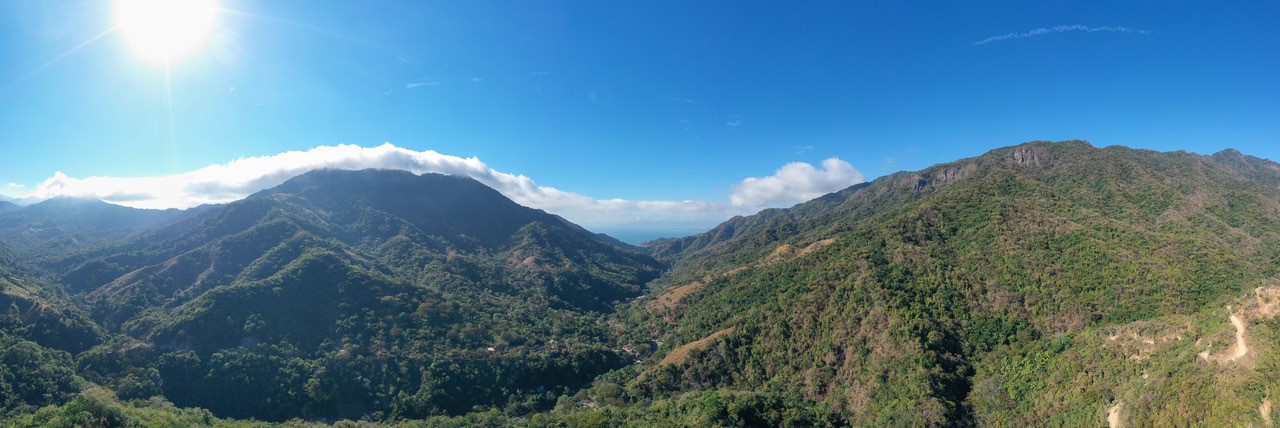
Entrepreneurs recognize that conservation of the bay, mountain forests and wetlands are a priority for socio-economic development, to ensure water in the future and protect against floods and storms.


Credits: © ADAPTUR / Mariana Rodriguez Aguilera. Mountain forests in Riviera Nayarit-Puerto Vallarta


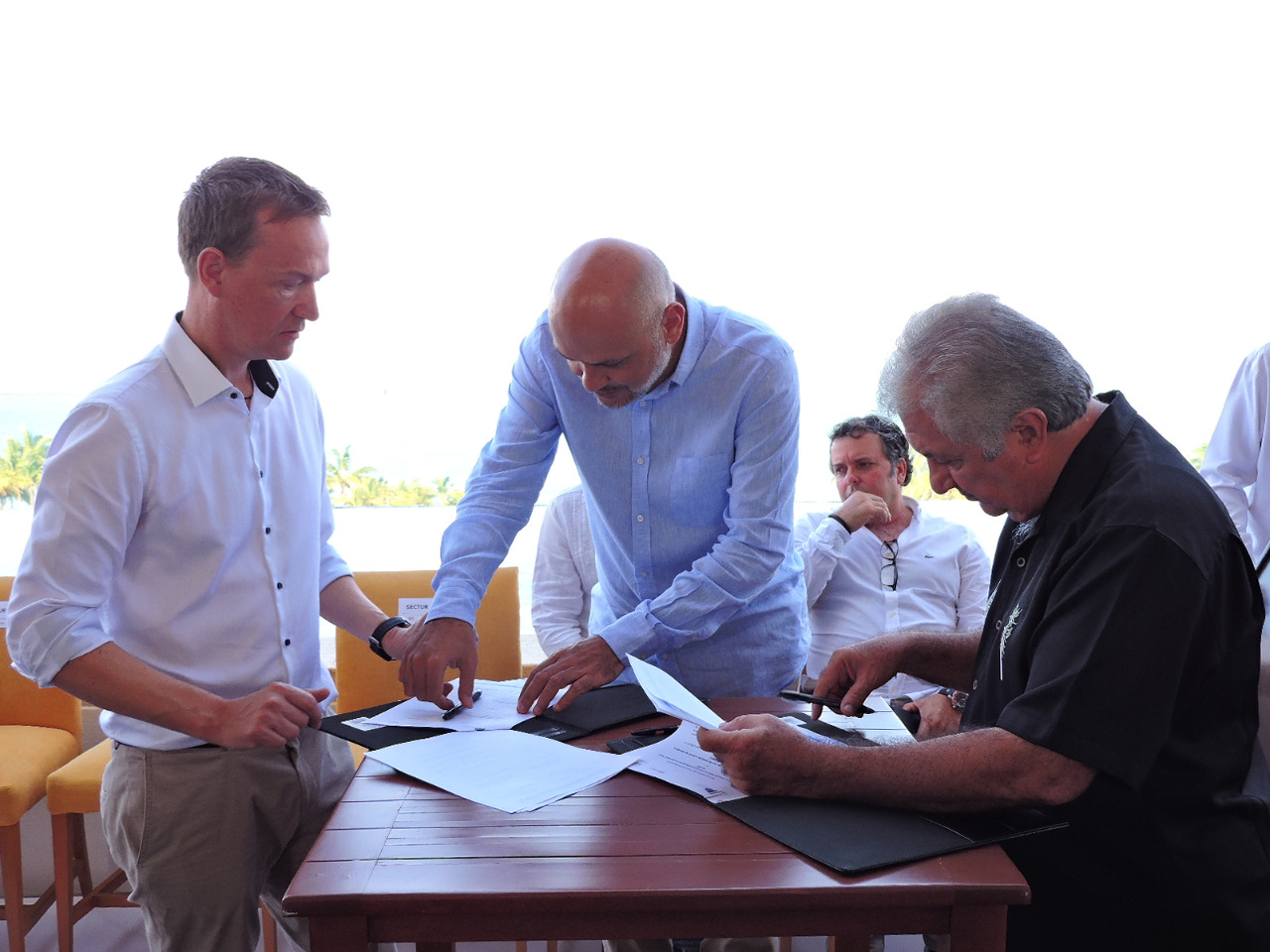
The commitment was ratified on August 2nd through the signing of the Memorandum of Understanding, between AEBBA and the Deutsche Gesellschaft für Internationale Zusammenarbeit (GIZ) GmbH (German Cooperation for Sustainable Development), as well as the creation of a Green Agenda Committee, which will be led by entrepreneurs from the region. During the event, the president commented:

” Today we assume this challenge of starting the process of adaptation to climate change in our companies and partners, as something indispensable with a sense of urgency.”

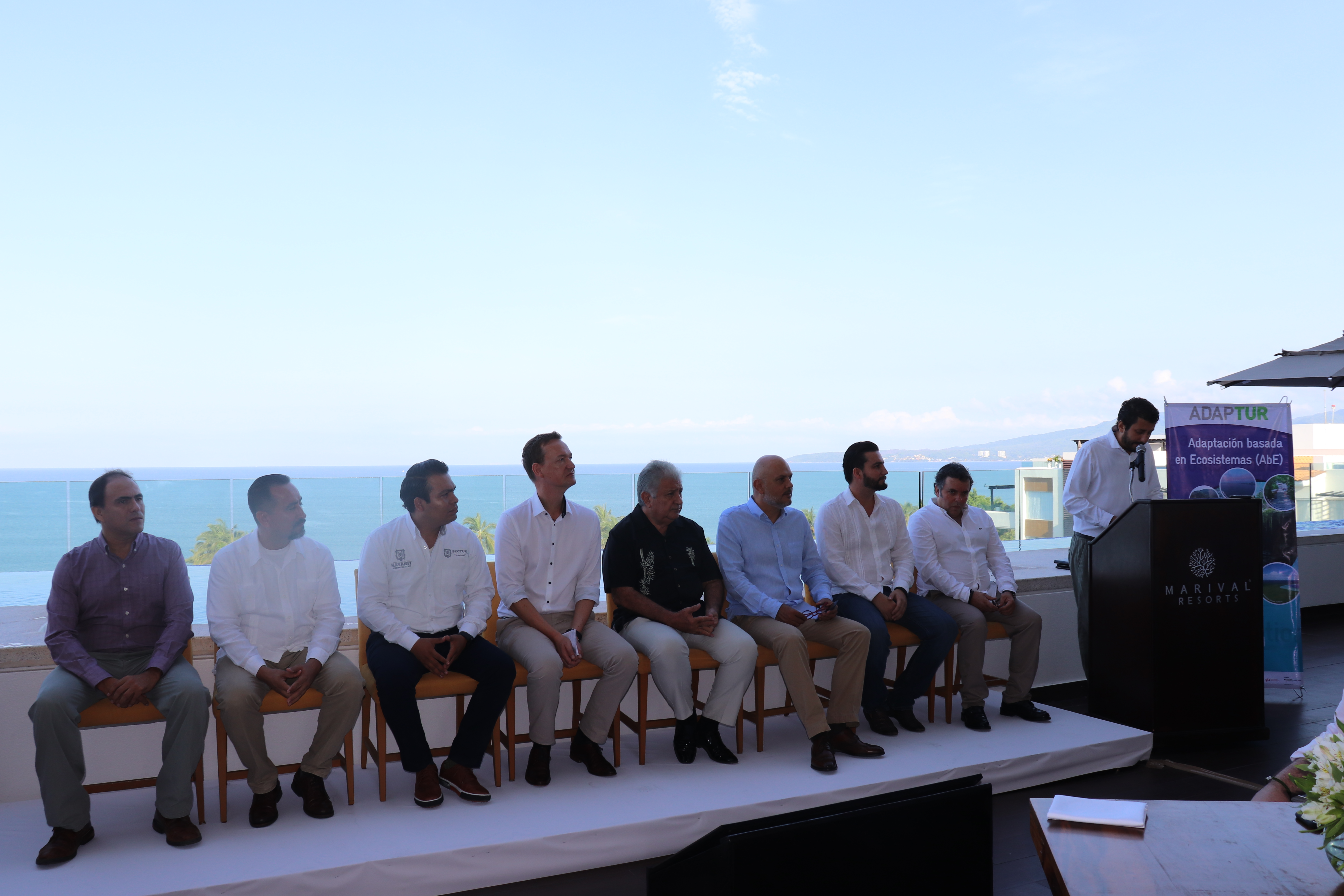
The objective of this collaboration is to build joint solutions between the private, public and civil society sectors, which is why the state and municipal tourism authorities of Nayarit and Jalisco expressed their support for the initiative. Some highlight actions are: making adjustments to the policy and regulatory framework, encouraging financial mechanisms to implement adaptation solutions, and integrating the risks of climate change into new developments in real estate and tourism infrastructure.


Credits: © AEBBA / Ana Lilia Medina. Signing of the Memorandum of Understanding between AEBBA and GIZ


Riviera Nayarit – Puerto Vallarta is one of the three pilot sites in Mexico to implement the Ecosystem-based adaptation to climate in cooperation with the private sector (ADAPTUR). It is funded by the German Federal Ministry for the Environment, Nature Conservation and Nuclear Safety (BMU), and implemented by the Deutsche Gesellschaft für Internationale Zusammenarbeit (GIZ) GmbH, in conjunction with the Ministry of Tourism (SECTUR) and the Ministry of Environment and Natural Resources (SEMARNAT), and the technical support of the National Commission of Natural Protected Areas (CONANP) and the National Institute of Ecology and Climate Change (INECC).


Credits: © ADAPTUR / Ana Lorena Gudiño Valdez. Business leaders of Riviera Nayarit-Puerto Vallarta

Puerto Vallarta continues its activities in the development of its Municipal Climate Change Program (MCCP) and prepares to complete the development of the instrument. To this end, the development process of measures, the current status of the program and the next steps to conclude the MCCP was presented to different actors.

With the Webinar “Presentation of adaptation and mitigation measures for the MCCP of Puerto Vallarta”, the municipality prepares to take its Program to public consultation along with the measures that will shape it and will fight climate change in the coming years. Through the webinar, the municipality presented some of the measures that will make up its MCCP to different actors and sectors, as well as the cost-benefit analysis process to ensure the feasibility and long-term impact of the measures.

For the first part of the webinar, the audience was contextualized on the issue of climate change, its mainstreaming and the legal framework at national, state and municipal levels. In the second section, the process of elaboration of the proposed measures for the MCCP was deepened. It was pointed out that these are the result of participatory work carried out by different actors, the municipality and the state in previous workshops. Additionally, the methodology used for the cost-benefit analysis by which each of the measures is evaluated to define their traceability in the long term was explained. Finally, the municipality mentioned the participation process for public consultation, for which they will carry out two face-to-face consultation forums, online and printed questionnaires, and an email to receive comments and observations on the program once it is completed.

Dr. Helios Hernández, Deputy Director of Environment of the Municipality, highlighted the importance of having qualified staff to deal with climate change. Additionally, he mentioned the challenge involved in mainstreaming this issue in all units and stressed that everyone’s participation is a fundamental step to address climate change from all angles. In this sense, the councilor of Ecology Ma. Del Refugio Pulido Cruz, Claudia Constancia Institutional Development Officer, and Dr. Jorge Téllez from La Costa University Center attended the webinar transmission.

The Webinar was held on July 17th of this year, with attendees from the private and public sectors, academia, and civil society. This Webinar, as well as the elaboration of the MCCP of this municipality, was supported by the Ministry of Environment and Territorial Development (SEMADET) of the State of Jalisco, and the Deutsche Gesellschaft für Internationale Zusammenarbeit (GIZ) GmbH (German Cooperation for Sustainable Development ), through the projects Vertically Integrated Climate  Protection (VICLIM) and Ecosystem-based adaptation to climate change in cooperation with the Private Sector in Mexico (ADAPTUR).


Photo: GIZ Webinar participant team.


As next steps, the municipality with the support of GIZ will continue the process of prioritization of mitigation measures and adaptation to climate change. This will be possible with the cost benefit analysis that is being carried out to determine the feasibility, profitability and success of each of the measures. Once this process is completed, the MCCP will be subject to public consultation, ensuring the strengthening of the Program with the participation of all actors.


With the intention of strengthening the design of the Mexican Emissions Trading System (ETS), and in view of the upcoming launch of the ETS pilot phase in 2020, the project “Preparation of an Emissions Trading System in Mexico” (SiCEM) from GIZ continuously carries out capacity development activities for different actors –public and private– relevant to the design, implementation and operation of an ETS.

The ETS Academy Mexico –a three-day seminar that brought together international experts with officials from different Mexican Ministries and governmental institutions relevant to the development of an ETS– was organized to share best practices and lessons learned and facilitate the design of the ETS in Mexico.

The workshop took place on July 23rd, 24th and 25th, 2019 at Casa Lamm, in Mexico City. It was convened by the Ministry of Environment and Natural Resources (SEMARNAT), together with the World Bank’s Partnership for Market Readiness (PMR) and the project “Preparation of an Emissions Trading System in Mexico (SiCEM)” implemented by the Deutsche Gesellschaft für Internationale Zusammenarbeit (GIZ) on behalf of the German Federal Ministry of Environment (BMU), and with the support of the International Carbon Action Partnership (ICAP), an internationally recognized forum that brings together governments and public authorities that have established or are in the process of developing an ETS.


Credits: GIZ


The course was attended by representatives of a variety of institutions, such as SEMARNAT, the National Forestry Commission (CONAFOR), the National Commission of Natural Protected Areas (CONANP), the Ministry of Finance and Public Credit (SHCP), the Ministry of Foreign Affairs (SRE), the Federal Attorney for Environmental Protection (PROFEPA), the National Commission for Regulatory Improvement (CONAMER), as well as Petroleos Mexicanos (PEMEX) and the Federal Electricity Commission (CFE).

In addition to theoretical sessions on different essential technical elements for an ETS, such as cap design, allocation alternatives, offset program design or Monitoring, Reporting and Verification (MRV) systems, international experts of jurisdictions such as California, Quebec, China, Ukraine and Germany shared their practical experiences, and lessons learned in the process, in order to facilitate the design, implementation and operation of the ETS in Mexico. Likewise, SEMARNAT presented the advances made so far in the design of secondary regulations of the Mexican ETS pilot phase.


Credits: GIZ


The course started with an overview of the role of ETS in Mexico and globally to accelerate climate action, always within a broader mix of climate policies. Highlighting the importance of this instrument to modify behavior and make structural changes towards a low carbon economy, the need for the design of the instrument to be robust and generate certainty to promote emission reduction was recognized. The relevance of having a diversity of actors in its design and implementation was also emphasized.


Credits: GIZ


On the second day, everyone had the opportunity to learn more about the flexibility mechanisms in an ETS. After learning about the international experiences –including the Latin-American experience– in the development of compensation projects, an interactive session on different kinds of compensation projects was held.


Credits: GIZ


Further discussion centered on carbon revenue generation through auctions, as well as on the socioeconomic benefits that revenue use has brought in other jurisdictions with an ETS in operation. For example, in different jurisdictions around the world carbon revenues are used to support communities and households vulnerable to the energy transition, foster clean technologies (energy efficiency, energy storage, electro-mobility, renewable energy), finance R&D in innovative low carbon technologies, etc. The day concluded with an interesting interactive activity that encouraged the convergence of positions regarding the design of an ETS, by inviting participants to take on the role of different actors (e.g. Presidency, Ministry of Economy, Ministry of Environment, Electrical Generators Association, Industries Association, Farmers Association, or environmental NGOs) and negotiate the different design elements.


Credits: GIZ


Finally, the third day focused on elements of MRV, governance and transparency in the ETS, highlighting the role of the Registry in warranting the environmental integrity of the System. The behavior of the allowance market was further discussed, including international experiences in its management and intervention mechanisms to maintain market stability, which is key for participating companies to achieve proper carbon management in their facilities.


Credits: GIZ


The following months prior to the implementation of the ETS pilot phase are key to developing capacities in the relevant actors, as well as to continue with the design of a strong and effective pilot phase. In the coming months, the capacity development efforts carried out, as well as additional technical studies to strengthen the design of the system, will continue to be presented on the “IKI-Alliance Mexico” blog.

For more information on this topic, please contact us at: Comercio.Emisiones-MX@giz.de

In addition to reducing greenhouse gas (GHG) emissions, the introduction of renewable energy and energy efficiency measures can bring multiple social, environmental and economic benefits. These actions can generate employment, increase energy independence, generate additional savings and income, and even bring benefits to health and environment. These types of direct or indirect benefits that result from climate change mitigation actions are called co-benefits. In a country like Mexico, whose energy system is still dominated by fossil fuels (68.9% of the power generation capacity in 2018), a co-benefits-oriented narrative presents the enormous opportunity to promote a fair and inclusive energy transition.


Photo by: DENNIS SCHROEDER / NREL.


The Co-benefits Mexico project aims to identify and communicate the economic, social and environmental benefits derived from the implementation of renewable energies and energy efficiency to strengthen decision-making and promote the decarbonization of the electricity sector. As part of the project, four case studies are developed in Yucatan, Baja California Sur, Mexico City and Oaxaca; the implementation of which involved regional workshops with key actors in each region studied. The case studies, listed below, will seek to scale their results nationwide to assess the potential of different co-benefits and link them to meeting Mexico’s climate goals:

Case studies Cobenefits Mexico

  1. Energy efficiency and renewable energy in public sector buildings (hospitals), in Mexico City and La Paz, Baja California Sur
  2. Energy efficiency and renewable energy in buildings in the tourism sector (hotels) in Los Cabos, Baja California Sur
  3. Renewable energies and employment opportunities they generate, national and regional analysis in Oaxaca and Yucatan.
  4. Renewable energy and its benefits in cost savings and income generation for the communities of Oaxaca and Yucatan.


Photo: Climate Initiative Mexico (Iniciativa Climática de México) – Francisco Valdéz. Attendees at the CDMX Cobenefits workshop.
 

The regional COBENEFITS workshops were aimed to present preliminary results, promote the appropriation of studies by key actors, and obtain their feedback. These were carried out in June 2019 and endowed the research team with perspectives of some 200 key actors. They were attended by academics, civil society, private sector representatives and state governments involved. The results of these meetings will lead to, together with the modeling of the co-benefits to be analyzed, the integration of a report that will be presented to the Ministry of Environment and Natural Resources (SEMARNAT) in a presentation workshop in mid-August 2019.


Photo: Climate Initiative Mexico – Francisco Valdéz. Oscar Vázquez – SEDEMA, Sandra Guzmán Luna – SEMARNAT, Jonas Russbild – CONECC GIZ, and Daniel Chacón – Iniciativa Climática de México in the CDMX COBENEFITS workshop.


The case studies of Co-benefits Mexico are coordinated by the project “Enhancing the Coherence of Climate and Energy Policies in Mexico” (CONECC) of the Deutsche Gesellschaft für Internationale Zusammenarbeit (GIZ) GmbH (German Cooperation for Sustainable Development) as part of the International Climate Initiative (IKI) of the German Federal Ministry for the Environment, Nature Conservation and Nuclear Safety (BMU) in joint work with the global COBENEFITS project at IASS Potsdam; and are being implemented by ITHACA Environmental and Climate Initiative Mexico ( Iniciativa Climática de México).


Photo: GIZ – Juan Carlos Mendoza. Attendees at the COBENEFITS workshop in Los Cabos, Baja California Sur.


Photo: GIZ – Felipe Borja. Attendees at the COBENEFITS workshop in Merida, Yucatan.


Photo: GIZ – Felipe Borja. Dialogue of regional actors on the Co-benefits of renewable energies and energy efficiency in Merida, Yucatan.


Photo: Climate Initiative Mexico (Iniciativa Climática de México) – Francisco Valdéz. Participants of the CDMX COBENEFITS workshop listen to the presentation by Sandra Guzmán Luna – General Director of Policies for Climate Change (SEMARNAT).

Through its regulatory framework and international commitments, Mexico has vowed to fight climate change by significantly cutting down greenhouse gas emissions across its economy. As in many other countries, the production and use of energy represents a significant share of greenhouse gas emissions, with around 70% of Mexico’s emissions associated with this sector. Faced with a rapidly changing sector and the necessity to design and implement evidence-based mitigation policies, it is crucial for governmental institutions to be equipped with solid data and modelling capacities, which allow them to define more ambitious mitigation measures that adequately consider characteristics of the local context, technologies’ mitigation potential, and possible trade-offs.

In the context of the upcoming revision of Mexico’s Nationally Determined Contribution (NDC), and based on an initiative from the Mexican Ministry of Environment and Natural Resources (SEMARNAT), the GIZ project “Enhancing the coherence of climate and energy policies in Mexico” (CONECC) provided support for the organization of a training course entitled “Scope and potential of LEAP energy-climate modelling environment for the analysis of Nationally Determined Contributions”. The course aimed to build the capacities of governmental decision-makers from the Mexican energy and climate sectors on the use of the Long-range Energy Alternatives Planning System (LEAP), a modelling software which can be used to assess the feasibility as well as economic and environmental impacts of various climate mitigation scenarios for the energy sector, taking into account a detailed representation of a country’s demand and supply patterns.


Long-range Energy Alternatives Planning System (LEAP)


The training took place in SEMARNAT between the 8th and 12th of July, and was delivered by three expert instructors from Fundación Bariloche and the Stockholm Environment Institute, among them LEAP creator Charlie Heaps. Participants included representants from both the environment (SEMARNAT, INECC, ASEA) and energy (SENER, CENACE, INEEL, CONUEE) sectors.

Thanks to a mix of presentations and hands-on practice sessions, participants were able to get an in-depth overview of LEAP functionalities, such as building and optimizing scenarios, as well as analyzing and presenting the results to decision-makers. Improving energy efficiency, expanding the use of renewable energy, and electrifying key sectors of the economy, were among the mitigation strategies which were modelled and analyzed using the software. LEAP’s latest version also features an Integrated Benefits Calculator (IBC), which allows quantification of the impacts on health and land-use of the analysed mitigation measures. Finally, participants got a chance to present the modelling work being done within their respective institutions, as well as exchange and learn from each other on the challenges they face and how to address them. The training highlighted the need to strengthen the collaboration between the energy and climate sectors in the process of updating the NDC. In this regard, harmonizing modelling methodologies and assumptions between both sectors appeared as crucial to contribute more effectively to the definition of climate targets.

Looking ahead, the CONECC project will continue building bridges between the energy and climate sectors, to increase the contribution of the former to the fulfilment of Mexico’s NDC. Of particular interest, CONECC is currently supporting SEMARNAT in evaluating the mitigation potential of energy efficiency in Mexico, with the aim of incorporating it into the next update of the NDC.


Group photo


The GIZ project “Enhancing the coherence of climate and energy policies in Mexico” (CONECC) is financed by the German Federal Ministry for the Environment, Nature Conservation and Nuclear Safety (BMU) through its International Climate Initiative (IKI). For more information, please contact Jonas.russbild@giz.de

Towards a financing mobilization route to achieve national climate change goals

The document was prepared by the Climate Finance Group for Latin America and the Caribbean (GFLAC), with the support of the Climate Initiative Mexico (Iniciativa Climática de Mexico, ICM) and the Deutsche Gesellschaft für Internationale Zusammenarbeit (GIZ) GmbH (German Cooperation for Sustainable Development), and is aimed at demonstrating the main findings on the vision of different representatives of the governmental, financial, private, academic and civil society sectors, regarding Mexico’s need to mobilize climate financing, its main challenges and recommendations on the subject.

Document Access


Analysis of International and National Public Budget for Climate Change

Its objective is to recognize the financing flows destined to climate change mitigation and adaptation actions in Mexico and to know how prepared the country is, economically speaking, to comply with the Nationally Determined Contributions (NDC). Likewise, the main barriers in this regard are analyzed and recommendations are issued.

Document Access


Financing Tracking

The Mexican-German Climate Change Alliance carried out the analysis of the Budget of Expenditures of the Federation (PEF) and the Transversal Annex number 16 (AT16), where Budget Programs, components and responsible units contribute with resources from various Budgeting Branches for climate change mitigation and adaptation. This analysis shows the annual variation of resources flow approved for the Administrative Units (AU) responsible for exercising them, that is, from a functional perspective.

Document Access

One page access 


The Ministry of Environment and Territorial Development (SEMADET) of the State of Jalisco and the Sub-directorate of Environment of the Municipality of Puerto Vallarta, supported by the Deutsche Gesellschaft für Internationale Zusammenarbeit (GIZ) GmbH (German Cooperation for Sustainable Development) and Menos Dos Grados, carried out the Webinar “Presentation of adaptation and mitigation measures for the Municipal Climate Change Program of Puerto Vallarta” on July 17th, 2019 from 10:00 to 12:00 hours.

Objective of the Webinar:

  • Presenting adaptation and mitigation measures to climate change that will be part of the Municipal Climate Change Program prior to public consultation.

For more information, see the attachments on this page.

How to improve the capacities for the preparation and evaluation of projects in Mexico?

Given the concern of municipalities to improve capacities in the formulation, evaluation and financial structuring of infrastructure projects in Mexico, the global FELICITY program carried out a capacity building strategy to: identify potential institutions and formalize their linkage; develop a detailed agenda for the training and technical assistance offer; link municipalities and incorporate a tool to improve the management of the formulation process, ex-ante evaluation as well as project funding.


Credits: Shutterstock. Project management and evaluation


As part of the results, to optimize support for project promoters, three key institutions to achieve collaboration were found: 1) National Bank of Public Works and Services (BANOBRAS), 2) Center of Studies for the Preparation and Socio-Economic Evaluation of Projects (CEPEP), and 3) Program to Promote Public-Private Partnerships (PIAPPEM).

BANOBRAS is a financial entity of the Federal Government with the mandate of promoting and financing federal, state and municipal infrastructure, as well as promoting and supporting private participation in its financing.

CEPEP is a trust of the Ministry of Finance and Public Credit (SHCP), with the mission to support the SHCP in technical assistance, design, training and socio-economic evaluation of public investment projects.

PIAPPEM is the program for the promotion of Public-Private Partnerships in Mexico, which is led and sponsored by the Inter-American Development Bank (IDB).

Based on the challenges and barriers of subnational local governments to achieve investment-grade projects preparation, a Requirements Map was prepared for the formulation and ex-ante evaluation of investment-grade projects that could be addressed via training and to which FELICITY can contribute , for any project that is part of the Financing for low carbon energy investment in cities.


Click on the images to download the publications:


Credits: Global FELICITY Program Development, 2019. Capacity building strategy.


Credits: Global FELICITY Program Development, 2019. Calendar of Available Training.


Credits: Global FELICITY Program Development, 2019. Requirements Map for the formulation and evaluation of projects.