

Strengthening local capacities to prevent, respond to, and recover from the impacts of climate change is a key element in building more resilient territories. To this end, two events were held: a workshop on emergency protocols for hydrometeorological events at Loyola del Pacífico University in Acapulco, Guerrero; and the First Regional Training Forum on Risk Management and Resilient Recovery at the Intercultural University of the State of Hidalgo (UICEH) in Tenango de Doria.
The forums were organized by the United Nations Development Programme (UNDP) in Mexico, in coordination with state Civil Protection agencies, the state Environment Secretariats, the Deutsche Gesellschaft für Internationale Zusammenarbeit (GIZ) GmbH—through the Mexican-German Climate Change Alliance, funded by the International Climate Initiative (IKI)—the Mexican Center for Philanthropy (CEMEFI), the National Center for Support for Epidemiological Contingencies and Disasters (CENACED), and Fomento Social Banamex.
The gatherings brought together just over 120 representatives from municipal governments, public institutions, civil society organizations, indigenous communities, community water committees, and academia—hailing from municipalities such as Acapulco and Chilpancingo in Guerrero, as well as Tenango de Doria, San Bartolo Tutotepec, Huehuetla, and Santiago Tulantepec in Hidalgo. Through forums for exchange and collaborative work, participants strengthened their capacities to improve preparedness and response regarding hydrometeorological emergencies.
During the training, methodological tools developed by the UNDP for the creation of community emergency plans were presented, utilizing a participatory and inclusive approach that takes into account the differentiated needs of women, men, older persons, youth, indigenous peoples, and persons with disabilities.
Likewise, topics such as the identification of risks and vulnerabilities, the formation of community brigades, early warning systems, coordination between communities and municipalities, and the forging of agreements to strengthen prevention and territorial resilience were addressed.
This process contributes directly to the implementation of Guerrero’s State Climate Change Strategy (EECC) and Hidalgo’s State Climate Change Action Program (PEACC) by fostering institutional and community capacities to implement adaptation measures and integrated disaster risk management. In this effort, the Mexican-German Climate Change Alliance facilitated coordination among participating institutions, strengthening collaboration among the various individuals and organizations involved.
Through initiatives of this kind, the Mexican-German Climate Change Alliance continues to drive actions that strengthen local capacities to address the challenges of climate change, fostering greater coordination among institutions, communities, and other key stakeholders to build more resilient territories.
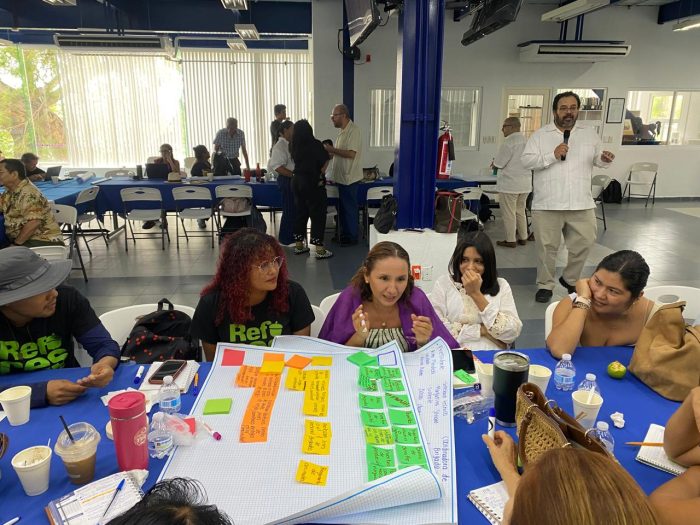
Workshop on Emergency Protocols for Hydrometeorological Phenomena, Acapulco, Guerrero. Credits: GIZ Mexico – Arturo Palero.
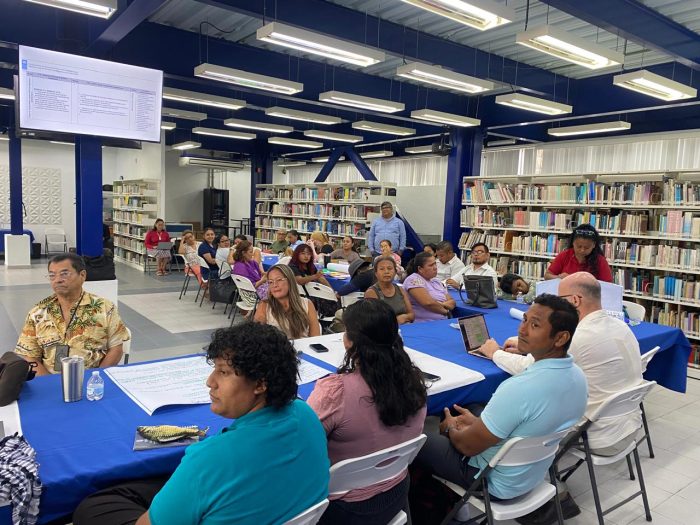
Workshop on Emergency Protocols for Hydrometeorological Phenomena, Acapulco, Guerrero. Credits: GIZ Mexico – Arturo Palero.
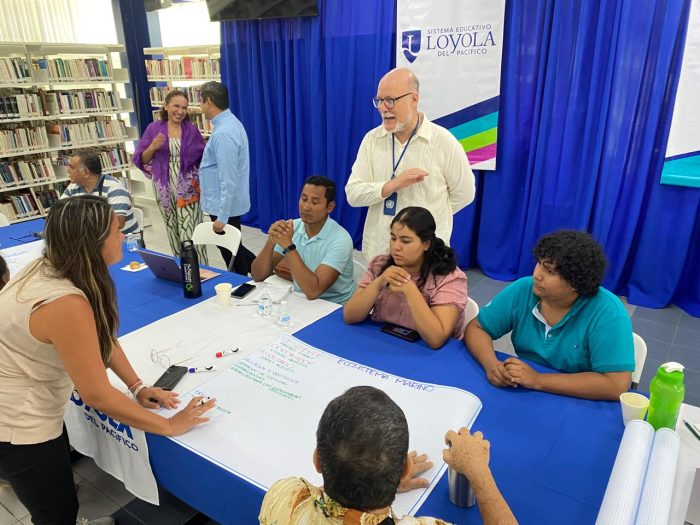
Workshop on Emergency Protocols for Hydrometeorological Phenomena, Acapulco, Guerrero. Credits: GIZ Mexico – Arturo Palero.
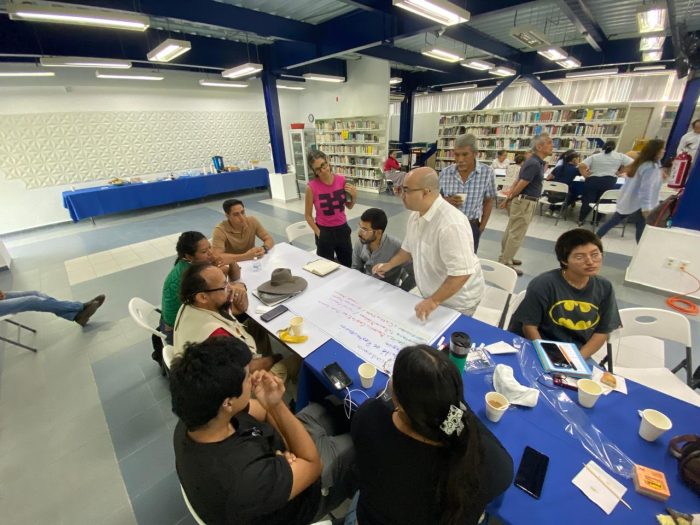
Workshop on Emergency Protocols for Hydrometeorological Phenomena, Acapulco, Guerrero. Credits: GIZ Mexico – Arturo Palero.