

Integrating climate change into marine protected areas and coastal management in the ecoregion
The Mesoamerican Reef System is the largest transboundary reef in the world and contains the second-longest barrier reef globally.
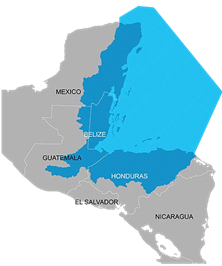
The system extends along 1,000 km of coastline across four countries: Mexico, Belize, Guatemala, and Honduras, and is a key area for biodiversity conservation, including sea turtles, more than 60 types of coral, and more than 500 species of fish.
Initial situation
The marine and coastal resources of the Mesoamerican Reef region provide essential ecosystem services, sustain key economic sectors (fisheries and tourism), support the livelihoods of more than two million people, and contribute to protecting coastal communities from the adverse effects of climate change. At the same time, the Caribbean coasts of Mexico, Belize, Guatemala, and Honduras are among the regions most vulnerable to the impacts of climate change. The management of these resources, including Marine Protected Areas (MPAs) and coastal development frameworks, does not adequately take adaptation principles and options into account. There is a need to strengthen the capacities of coastal communities and governments to integrate climate change scenarios and adaptation options into participatory decision-making processes that can inform MPAs as well as coastal development and management policies.
About the project
With support from the International Climate Initiative (IKI), the “Ready Coasts” project seeks to establish “climate-smart” principles in the management of marine protected areas and coastal development policies in the countries of the Mesoamerican Reef System, with the aim of improving the adaptive capacities of the region’s coastal communities. Specific adaptation options, e.g. ecosystem-based approaches, will be identified through an intersectoral, stakeholder-driven decision-making process using science-based tools, including ecological risk assessments and cost-benefit analyses that integrate climate change and social development scenarios, ecosystem service modelling, and green vs. grey infrastructure. By influencing management and policy frameworks, adaptation measures will be implemented in key coastal areas of Mexico, Belize, Guatemala, and Honduras. The project will improve local and national knowledge and capacities, contribute to adaptation plans and policies, and present best practices in relevant national and international forums.
Multiplier effect
The project contributes through several strategies that multiply its impact. Key representatives of coastal communities, government institutions, and civil society organizations will be trained in methods and tools to identify and assess appropriate solutions for adapting to the effects of climate change. By integrating climate change principles into local, subnational, and national policy and management frameworks, strategies for improved adaptation across the region will be promoted.
In addition, best practices for integrating climate change criteria into marine and coastal resource management policies will be compiled and shared in forums at the national, regional, and global levels. The project aims to enable the institutionalization of coastal and marine resource management policies and frameworks that integrate climate change and to replicate activities beyond the project’s geographical area and duration.
Focus sites
The project is implemented in the four countries that make up the MAR.
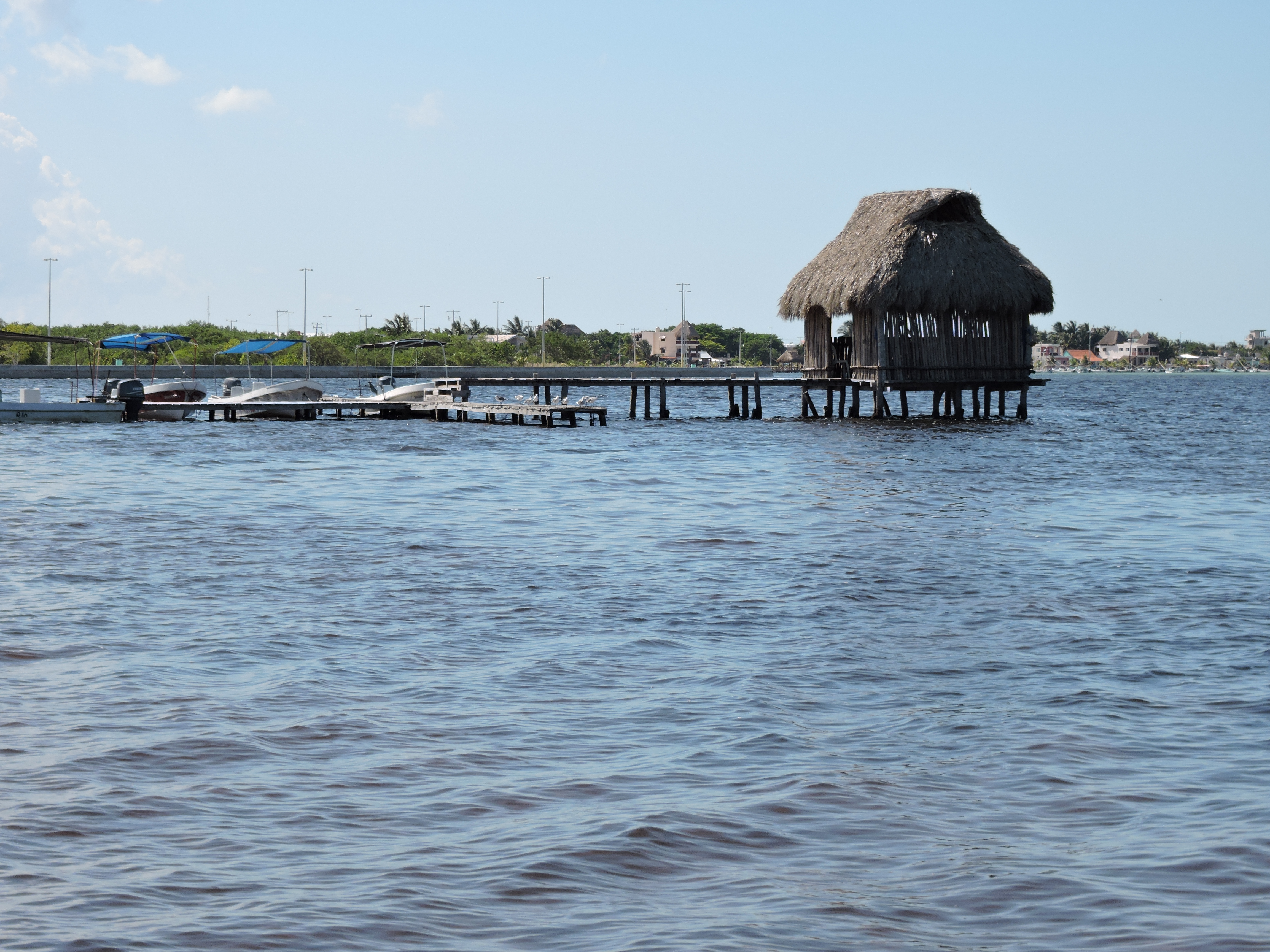
- In Mexico, the focus sites are the Ría Lagartos Biosphere Reserve (Yucatán) and the Yum Balám Flora and Fauna Protection Area (Quintana Roo).
- In Belize, the Northern Regional Planning Zone, Ambergris Caye Regional Planning Zone, and Southern Regional Planning Zone.
- In Guatemala, the Río Sarstún Multiple Use Protected Area.
- In Honduras, the focus will be on four protected areas: Cuyamel-Omoa National Park, Jeannette Kawas National Park (Punta Sal), Punta Izopo National Park, and the Bahía de Tela Wildlife Refuge, in addition to the Interconnection Zone (a broad area between two of the protected areas).
All these sites were selected because of their importance for biodiversity conservation and the vulnerability of their populations to climate change.
Expected results
- A portfolio of climate change adaptation options identified through a participatory process that takes into account the needs of local communities and environmental conservation.
- Local populations and decision-makers strengthen their capacities to identify and prioritize climate change adaptation options.
- Government authorities have recommendations for integrating climate change adaptation aspects and criteria into territorial planning instruments.
- Adaptation measures implemented with the participation of local stakeholders.
- A working group for disseminating good practices on the identification, integration, and implementation of adaptation measures in coastal areas and marine protected areas.
Participating institutions
Political partners:
Mexico
- National Commission of Natural Protected Areas (CONANP)
- Division/Department: Yucatán Peninsula and Mexican Caribbean Region
Belize
- Ministry of Agriculture, Fisheries, Forestry, Environment and Sustainable Development Division/Department: Coastal Zone Management Authority and Institute (CZMAI)
Guatemala
- Ministry of Environment and Natural Resources (MARN)
- Division/Department: Department of Ecosystems
Honduras
- Ministry of Energy, Natural Resources, Environment and Mines (MiAmbiente+)
- Division/Department: Department of Protected Areas
- National Institute for Forest Conservation and Development, Protected Areas and Wildlife (ICF)
Implementing partners:
- WWF Guatemala/Mesoamerica
- WWF Mexico
- WWF US / Columbia University
- Natural Capital Project – Stanford University
Implementing organization:
- WWF Germany
Contact
Ninel Escobar, Climate Change Coordinator
WWF Mexico
nescobar@wwfmex.org
Alejandra Calzada Vázquez Vela, Senior Mesoamerican Reef Officer –
WWF Mexico
acalzada@wwfmex.org