

Initial situation
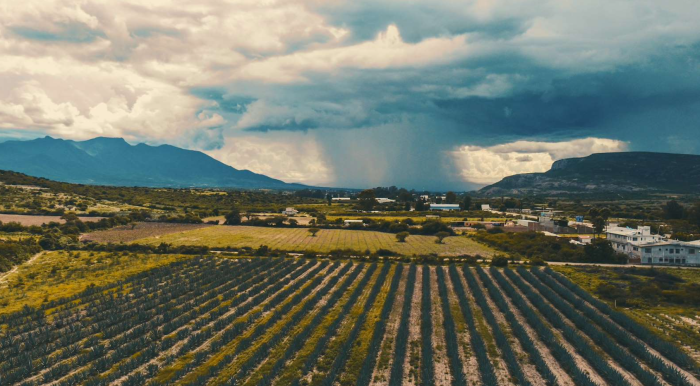
The mountainous Valle de Bravo-Amanalco region is rich in biodiversity and forms part of the Cutzamala water system, which supplies water to Mexico City. Rising temperatures, forest fires, and activities such as deforestation and agriculture place pressure on the ecosystem and contribute to water scarcity. The project integrates climate change adaptation and biodiversity conservation into land-use processes in six ejidos. Ejidos are areas owned collectively by the community. Members of the ejidos may use the land for agricultural purposes but do not hold individual land ownership rights. The project strengthens the technical and management capacities of the ejidos through training, workshops, and participatory territorial planning. The main beneficiaries of the project are members of the ejidos, as well as approximately 5,000 residents of the region. Through collaboration with local governments, the project results are integrated into municipal development plans.
Objectives
Integrate climate change adaptation and biodiversity conservation into the land use of six ejidos. Members of the ejidos hold communal land ownership and can collectively manage their territories.
Improve their technical and management skills through training, workshops, and participatory planning. The main beneficiaries are ejido members and approximately 5,000 local residents.
Collaborate with local governments to incorporate project results into municipal development plans.
Activities
- Training sessions on the following topics: data collection, data acquisition, systematization, and processing for multiple intervention scales.
- Development of socio-ecological indicators through data processing, aggregation mechanisms, and classification to assess the impact of EbA measures.
- Integration of indicators into a monitoring system for the longitudinal evaluation of EbA measures.
- Introduction to visualization mechanisms for communicating results to different communities of practice.
- Context-specific research, review of case studies on good practices, and the development of a set of knowledge resources to support Procuenca and its staff in the practical integration of gender and climate change considerations across future initiatives and projects.